
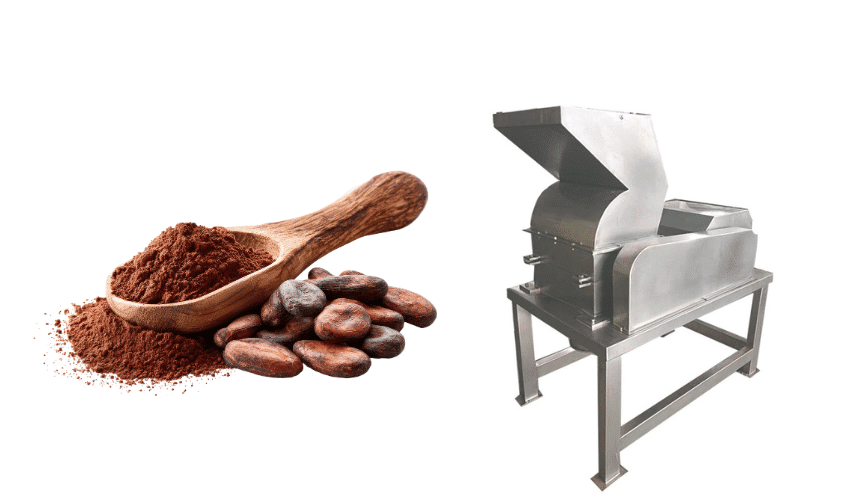
A cocoa bean crusher breaks roasted beans into small, nib-rich fragments while keeping the shells intact enough to be removed. It sits right between roasting and grinding, and it does four core jobs: it cracks the beans, prepares them for winnowing, protects your grinder, and sets up a cleaner flavor in the finished chocolate.
Skip it, and you’ll fight bitter flavors, gritty texture, and worn-out equipment. I’ve spent years around chocolate production lines, and I can tell you most “mystery” quality problems trace back to this one overlooked step. In commercial bean-to-bar work, a good crush isn’t a nice-to-have. It’s what makes everything downstream consistent.
In this guide, I’ll cover what a crusher actually does, why skipping it backfires, how to choose the right one, and the mistakes that quietly ruin batches.
What does a Cocoa Bean Crusher Do?
A cocoa bean crusher cracks roasted beans into nibs and loose shell fragments. That mix is exactly what your winnower needs to separate the good stuff from the waste.
The trick is balance. You want the beans broken small enough to release the nibs, but not so fine that the shells turn to dust or the cocoa butter starts to smear. Hit that sweet spot, and winnowing becomes easy. Miss it, and you create a mess that’s hard to clean up later.
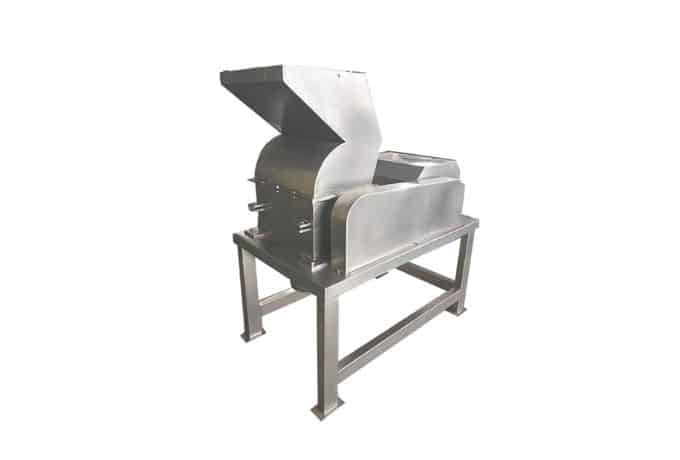
This is why makeshift methods fall short. A rolling pin, a mallet, or a blender crushes unevenly. You end up with half-whole beans next to pulverized powder, plus a lot of waste. A mechanical roller crusher gives you a uniform crack every time.
Think of the crusher as the gateway. On one side, you have the high heat of roasting. On the other hand, the precision of refining. The crusher connects the two.
A crusher’s job is a clean, even crack — not a fine grind.
Crusher vs. Grinder: Two Different Jobs
People mix these up all the time, so let’s be clear. The crusher cracks. The grinder refines. They are not interchangeable.
Grinders and melangers can’t process whole beans. The papery shells get in the way, jamming up the stones and straining the motor. By the time chocolate reaches the grinder, it should already be clean nibs — nothing else.
Why Crushing Matters Before Winnowing and Grinding
Crushing is the prep step that makes both winnowing and grinding work. Think of it as setting the table before the meal.
There are three payoffs here. First, efficient shell removal, because broken beans expose the shells for the winnower to lift away. Second, cleaner nib quality, since you’re not dragging husk into the next stage. Third, protected equipment, which I’ll cover in detail below.
Uniform crushing matters most. When every piece is roughly the same size, the winnower gets a consistent stream to work with, and its accuracy jumps. Toss in a mix of dust and big chunks, and separation gets sloppy fast.
Rush this step, and every stage after it gets harder.
What Happens If You Skip the Crushing Step
I’ve seen makers try to take shortcuts on this, and the results show up fast. Here’s what goes wrong.
Bitter Taste From Leftover Husk
Cocoa shells are fibrous and bitter. Leave them in the batch, and they add an earthy, unpleasant flavor that buries the bean’s natural notes. You spent money on quality beans. Don’t let the husk drown out what makes them special.
Gritty, Rough Texture
Shell fragments don’t break down smoothly during refining. They stay dry and tough, leaving a sandy, gritty mouthfeel in the finished bar. No amount of extra grinding fully fixes it.
Motor Stress and Equipment Wear
Uncrushed beans and silica-rich shells force your grinder to work harder than it should. That strains the motor and wears down stones and blades over time. You’re trading a cheap step now for expensive repairs later.
Poor Winnowing and Wasted Nibs
Without a consistent crush, the winnower can’t separate cleanly. You’re stuck choosing between leaving husk in the batch and cranking the airflow to blow away good nibs along with the shells. Either way, you lose.
Skipping the crush doesn’t save time — it just moves the problem downstream and makes it worse.
How Crushing Improves Winnowing Performance
Crushing isn’t just breaking beans. It creates the right particle profile for clean separation, and that’s where a good cocoa winnowing machine earns its keep.
Here’s the balance you’re after. Oversized shell pieces trap nibs inside, so the good product ends up in the waste. But too much fine dust gets caught in the airflow and is lost. Neither extreme works.
The ideal crush releases the nibs while keeping the shells large and light. Light shells lift away easily in the airstream. Dense nibs drop and stay. That contrast is what makes winnowing efficient.
If your setup integrates the crusher and winnower, you can turn cracking and separating into one smooth pass. That saves time and keeps your nib yield high.
How Crushing Affects Flavor, Texture, and Refining
A clean crush sets the ceiling for everything that follows. You can’t refine your way out of a bad start.
In terms of flavor, removing the husk lets the bean’s natural character come through. Fruity, nutty, or floral notes stand out when they’re not competing with bitter shell. That’s the whole point of sourcing good beans in the first place.
When it comes to refining, nib size matters more than people expect. It dictates how quickly cocoa butter is released during the first grind. A consistent crush means every part of the batch sees the same friction and heat, so your refining stays even.
There’s a bonus, too. Crushing lets trapped roasting gases and lingering off-flavors escape before the nibs get sealed into a paste. Skip that, and you lock those flavors in.
Smooth, clean-tasting chocolate is only possible when the starting material is free of a dry, fibrous shell.
How a Cocoa Bean Crusher Protects Grinding Equipment
This is where the crusher pays for itself. Cocoa shells contain silica, which is abrasive. Send shells into your refiner, and they slowly grind down your stones and steel blades. It’s like running sandpaper through your most expensive machine.
There’s a load problem, too. Shells don’t melt or break down the way nibs do. They can cause grinding stones to seize or overheat, which means downtime and repairs.
The fix is simple. Send only soft, fat-rich nibs into your chocolate melanger or refiner. When you do that, you cut wear, reduce overload, and extend the life of the equipment.
The cost savings are real. Maintenance and replacement expenses drop when you remove the abrasive husk before the liquid stage. For anyone running a chocolate production line, that adds up fast over the course of a year.
How to Choose the Right Cocoa Bean Crusher
Not all crushers are equal. Here’s what actually matters when you’re shopping.
Roller Gap and Adjustability
Adjustable gap settings are essential. Bean size varies by origin, variety, and roast level, so a fixed gap won’t serve you well. You want a gap you can dial in to release nibs without pulverizing the shells.
Capacity and Throughput
Match the machine to your volume. A hand-cranked mill works fine for hobbyists and tiny batches. Once you’re regularly processing larger volumes, a motorized roller mill keeps up without slowing you down.
Build Material and Food Safety
Stainless steel rollers are the standard, and for good reason. They’re food-safe, durable, and easy to clean between bean origins. Cheaper materials cost you more in hygiene headaches down the road.
Cleanability Between Batches
If you run different origins, you need easy cleaning to prevent flavor carryover. Look for a crusher that comes apart quickly. A machine that’s a pain to clean is a machine you’ll clean less often than you should.
Integration With Winnowing and Dust Control
Crushers that connect to a winnower or vacuum system streamline your whole workflow. They also contain dust, which helps keep your workspace cleaner and your air safer. If you’re scaling up, this integration is worth the investment.
Buy for your volume and bean variety — adjustability and ease of cleaning matter most.
Common Cocoa Bean Crushing Mistakes
Even with the right machine, a few habits trip people up:
- Setting the rollers too tight. This turns beans into paste before the shells can be removed, ruining your winnowing.
- Crushing beans while they’re still hot. The cocoa butter leaks out and gums up the rollers. Let the beans cool first.
- Processing under-roasted beans. Leathery shells won’t snap or separate cleanly, so the crush stays messy.
- Ignoring the dust. It causes respiratory irritation and a grimy workspace. Use dust control.
- Inconsistent feed rate. Feeding unevenly creates an uneven crush, which hurts winnowing accuracy.
FAQs
Do you need to crush cocoa beans before grinding?
Yes. Grinders can’t handle whole beans or shells. You need to crush the beans and winnow out the shells first, so only clean nibs reach the refiner.
What happens if cocoa shells go into the melanger?
The silica in the shells wears down the grinding stones and strains the motor. You also end up with a bitter, gritty result. It’s bad for both your machine and your chocolate.
Can a coffee grinder replace a cocoa bean crusher?
Not well. A coffee grinder pulverizes the beans and shells together into powder. That makes winnowing nearly impossible, since you can’t separate dust from dust.
How fine should cocoa beans be crushed before winnowing?
Coarse enough to keep the shells in liftable pieces, but fine enough to release the nibs. You’re aiming for small fragments, not powder. Dust gets lost in the airflow.
Should cocoa beans cool before crushing?
Yes. Letting the beans cool first keeps the cocoa butter from leaking and gumming up your rollers. Warm beans smear; cooled beans crack cleanly.
How much husk is acceptable in the nibs before grinding?
As little as possible. Even small amounts hurt flavor and texture. Aim for clean nibs, because any leftover husk shows up in the final bar.
Conclusion
A cocoa bean crusher is the essential link between roasting and grinding. Skip it, and you pay for it in flavor, texture, and equipment life. It’s that straightforward.
Here’s the chain of benefits. A clean, even crush feeds efficient winnowing. Clean winnowing protects your grinder. A protected grinder sets up smoother refining. And smoother refining gives you the chocolate your customers expect.
When chocolate turns out bitter, gritty, or inconsistent, the problem usually isn’t the grind. It’s the crush. Once you understand that, you stop chasing the wrong fixes.
For serious makers and growing brands, the right crusher turns a makeshift process into a professional, repeatable workflow. If you’re ready to keep your flavor pure and your grinders running longer, take a look at reliable cocoa bean crusher options and complete chocolate production line equipment built to do exactly that.