

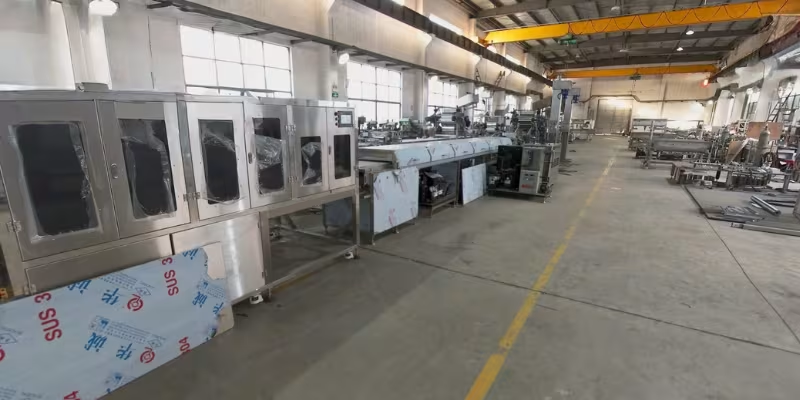
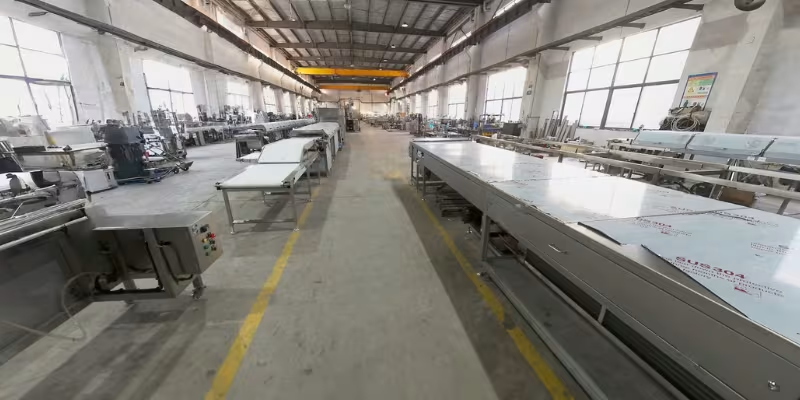

A Cocoa Bean Roaster is specialized equipment designed to develop rich chocolate flavor by precisely heating raw cocoa beans in a rotating drum. This machine ensures uniform roasting, consistent moisture removal, and flavor preservation, delivering high-quality roasted beans free of burnt notes. Ideal for bean-to-bar chocolate manufacturers, it streamlines production while maintaining strict flavor control.

A Cocoa Bean Peeling & Winnowing Machine is specialized equipment designed to separate cocoa nibs from roasted bean shells using mechanical cracking and air separation. This machine ensures complete husk removal and maximum nib yield, delivering clean, pure cocoa material free of shell contamination. Ideal for chocolate production lines, it boosts efficiency while preserving the integrity of cocoa nibs.

A Cocoa Bean Grinding Machine is advanced equipment designed to process roasted cocoa nibs into smooth cocoa liquor through integrated coarse and fine grinding. This machine ensures consistent particle size reduction and efficient cocoa butter release, delivering uniform, fluid chocolate mass for further processing. Ideal for medium and large-scale production, it streamlines grinding while maintaining product quality.

A Cocoa Butter Press Machine is specialized industrial equipment designed to extract pure cocoa butter from cocoa liquor via hydraulic pressing. This machine ensures high oil yield and consistent separation, delivering premium cocoa butter and cocoa cake for downstream processing. Ideal for cocoa processing factories, it supports efficient production of cocoa butter, cocoa powder, and chocolate ingredients.

A Cocoa Crusher Machine, paired with a dedicated Cocoa Powder Grinding Machine, forms a complete system to process pressed cocoa cake into fine, uniform cocoa powder. This setup ensures consistent particle size, smooth texture, and high yield, delivering premium cocoa powder for baking, confectionery, and beverage applications. Ideal for cocoa processing lines, it boosts efficiency while maintaining product purity.

A Chocolate Grinder Machine is advanced equipment designed to crush and refine cocoa nibs into smooth, fluid chocolate mass. This machine ensures efficient size reduction and uniform particle distribution, delivering consistent cocoa liquor for chocolate production. Ideal for artisanal and commercial manufacturers, it streamlines grinding while preserving delicate cocoa flavors.

A Chocolate Cluster Machine is specialized equipment designed to produce chocolate clusters by precisely depositing chocolate and inclusions like nuts, dried fruits, or cereals. This machine ensures consistent portioning and uniform mixing, delivering high-quality clusters with a perfect balance of ingredients. Ideal for confectionery manufacturers, it streamlines production while maintaining product quality and efficiency.
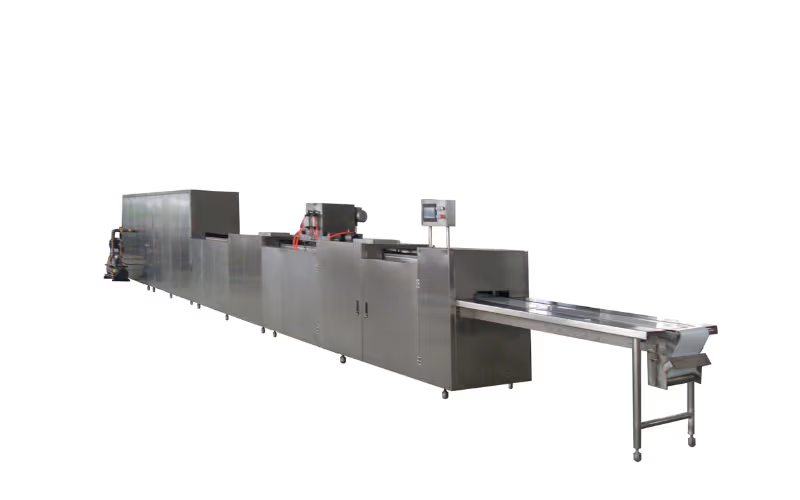
A Chocolate Moulding Line is an advanced system for creating molded chocolate products, such as bars, pralines, and hollow figures. It automates the processes of chocolate tempering, depositing, vibrating, and cooling, ensuring precise shaping and a glossy finish. This equipment is essential for large-scale chocolate production, offering consistent results and high productivity.

A Mini One Shot Depositor is compact, specialized equipment designed for small-batch chocolate production, enabling one-step depositing of solid, filled, or multi-layered chocolates. This machine ensures precise dosing and consistent product formation, delivering high-quality chocolates with minimal space requirements. Ideal for artisanal chocolatiers and small-scale manufacturers, it combines flexibility with professional performance.

A Chocolate Chips Machine is specialized equipment designed to produce uniform chocolate chips, drops, and couverture pieces through automated depositing and cooling. This machine ensures consistent size, shape, and weight, delivering high-quality chocolate chips for baking, snack, and confectionery applications. Ideal for industrial production lines, it boosts output while maintaining product consistency.
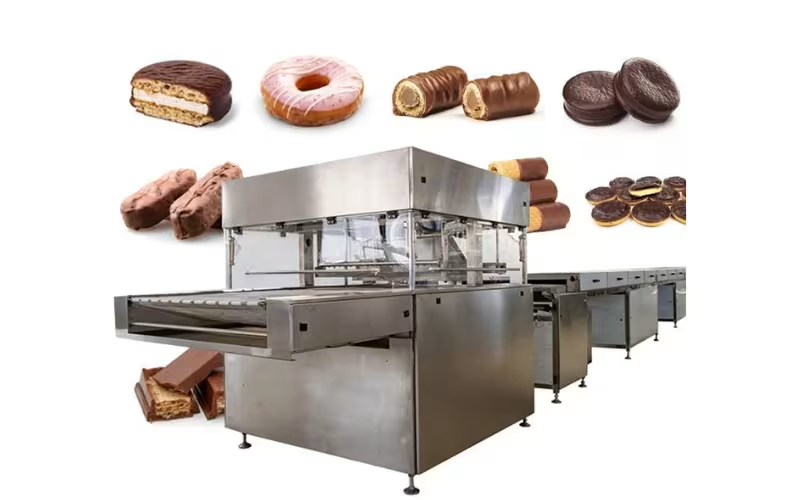
A Chocolate Enrober with Cooling Tunnel is advanced equipment designed to coat food products like biscuits, nuts, and bars with a smooth, uniform layer of chocolate. This machine ensures precise coating thickness and rapid, even cooling, delivering perfectly enrobed products with a glossy finish. Ideal for large-scale confectionery production, it streamlines the coating process while ensuring consistent quality.
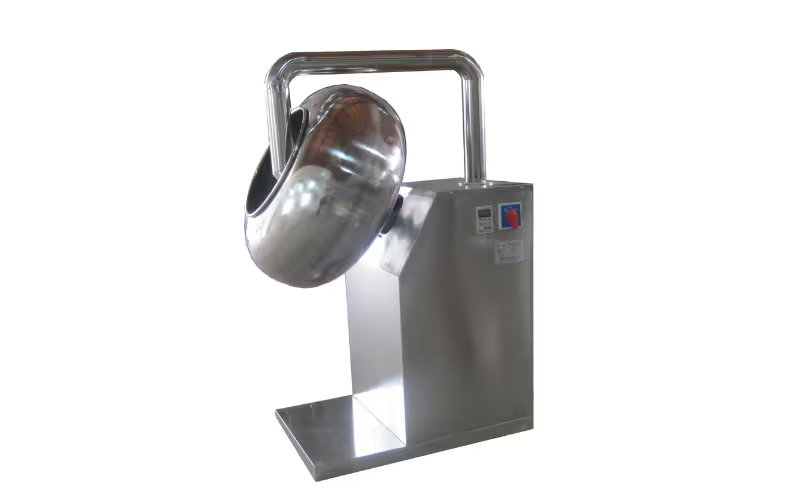
A Chocolate Coating Pan is specialized equipment designed to polish and coat confectionery products like nuts, candies, and pills with chocolate or sugar layers. This machine ensures uniform coating and a smooth, glossy finish, delivering high-quality coated products with consistent texture. Ideal for confectionery manufacturers, it supports small to medium-batch production with reliable performance.
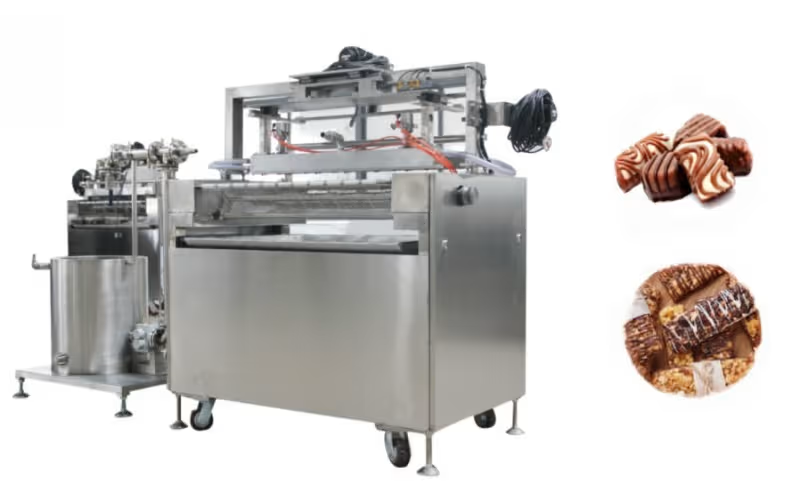
A Chocolate Decoration Machine is specialized equipment designed to create intricate chocolate decorations, patterns, and designs for cakes, pastries, and confectionery. This machine ensures precise, consistent decoration with customizable patterns, delivering professional-quality designs for premium products. Ideal for bakeries and chocolatiers, it adds visual appeal while streamlining production.
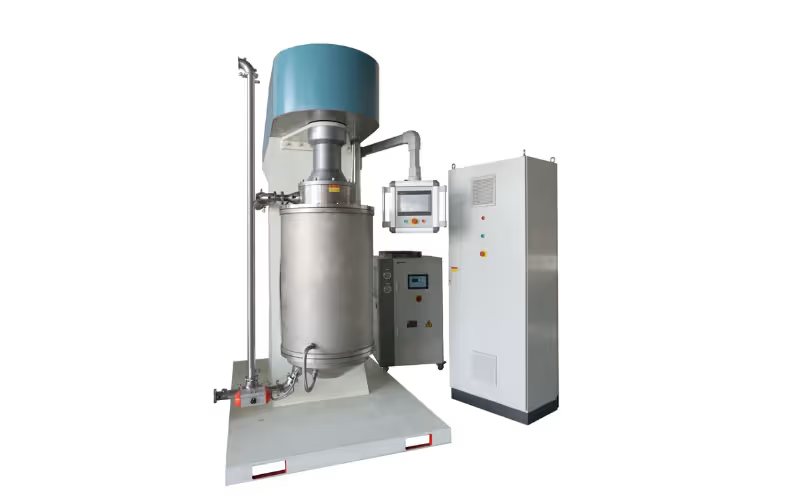
A Chocolate Ball Mill is advanced refining equipment designed to reduce chocolate mass to an ultra-fine particle size using rotating steel balls. This machine ensures smooth, non-gritty texture and consistent particle distribution, delivering premium chocolate with a luxurious mouthfeel. Ideal for large-scale chocolate production, it boosts efficiency while maintaining consistent quality across batches.

A Chocolate Conche is specialized refining equipment designed to agitate, aerate, and refine chocolate mass for hours to develop flavor and texture. This machine ensures the removal of volatile acids, smooth particle edges, and uniform fat distribution, delivering mellow, well-rounded chocolate with a silky mouthfeel. Essential for premium chocolate production, it elevates flavor while ensuring consistency.
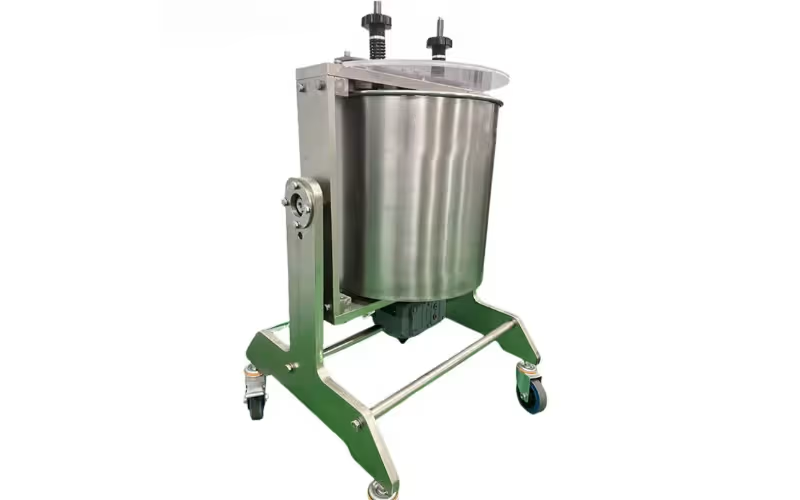
A Chocolate Melanger is traditional, specialized grinding equipment designed to refine cocoa nibs into smooth chocolate mass using granite rollers. This machine ensures slow, gentle grinding that preserves delicate cocoa flavors, delivering artisanal-quality chocolate with a rich, smooth texture. Ideal for small-batch craft chocolate makers, it combines traditional methods with reliable performance.

A Chocolate Tempering Machine is specialized equipment designed to stabilize cocoa butter crystals by precisely controlling heating and cooling cycles. This machine ensures a glossy finish, crisp snap, and long shelf life for chocolate products, delivering consistent tempering results every time. Ideal for confectionery manufacturers, it streamlines production while eliminating manual tempering errors.

A Chocolate Melting & Holding Tank is specialized equipment designed to melt, store, and maintain chocolate mass at a consistent, controlled temperature. This machine ensures uniform heating and prevents chocolate from solidifying, delivering stable, ready-to-use chocolate for molding, enrobing, and depositing. Ideal for production lines, it supports continuous operation with reliable temperature control.
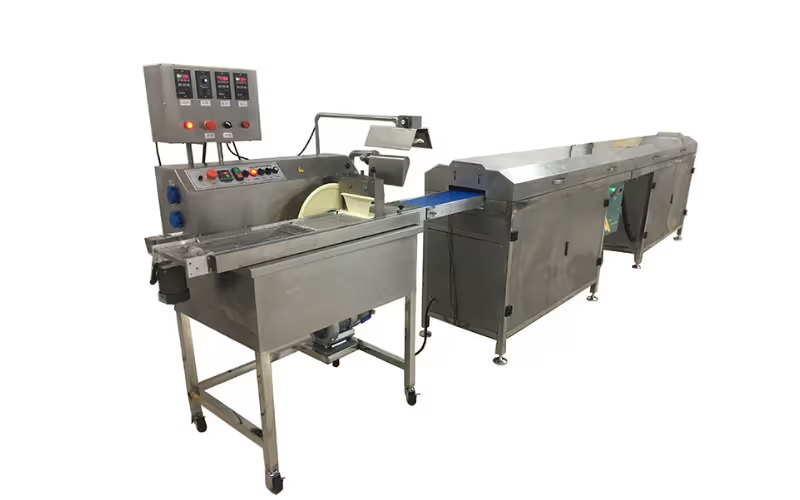
A Chocolate Melting, Tempering & Enrobing Machine is an integrated system designed to melt, temper, and coat products with chocolate in a single workflow. This machine ensures precise temperature control and uniform coating, delivering consistent, high-quality enrobed products. Ideal for small to medium-scale production, it combines multiple functions to save space and streamline operations.

An SJB Series Chocolate Delivery Pump is specialized equipment designed to transfer viscous chocolate mass and cocoa liquor between production machines. This pump ensures smooth, consistent flow and gentle handling of chocolate, preventing shear damage and maintaining product quality. Ideal for automated production lines, it supports continuous operation with reliable, hygienic performance.

An RYG Series Fat Melter is specialized equipment designed to melt and maintain cocoa butter, vegetable fats, and chocolate compounds at a controlled temperature. This machine ensures uniform melting and consistent temperature, delivering ready-to-use fat for chocolate production, coating, and confectionery applications. Ideal for food processing lines, it supports efficient, hygienic fat handling.
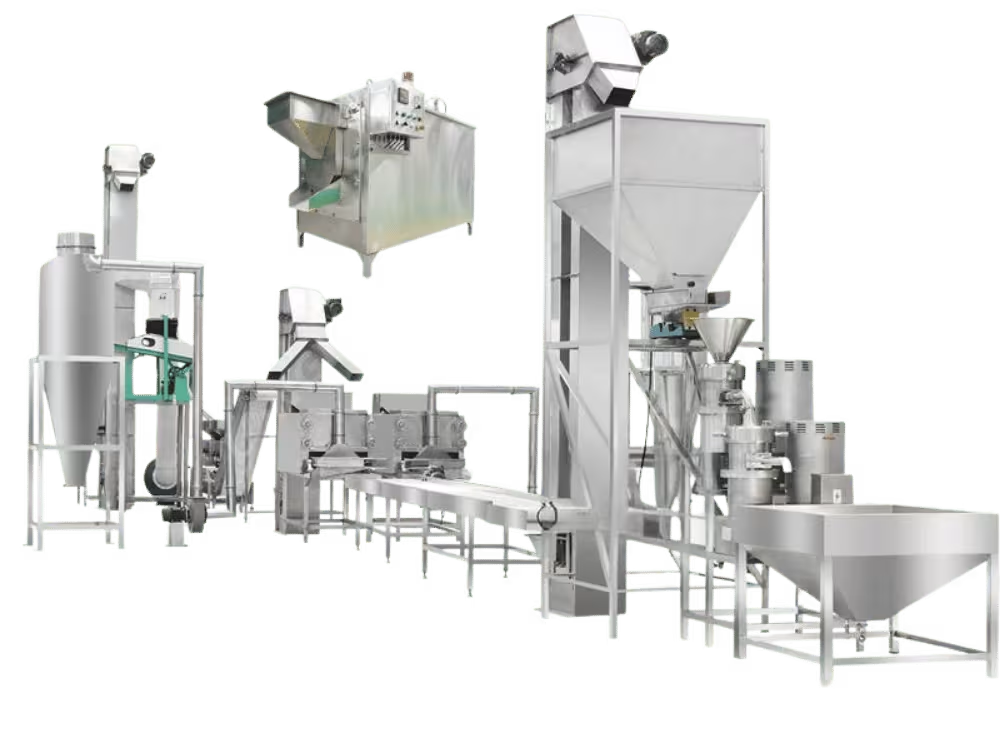
A Bean-to-Bar Chocolate Production Line is a complete, integrated system designed to transform raw cocoa beans into finished chocolate bars through every processing stage. This line automates roasting, winnowing, grinding, refining, conching, tempering, and molding, ensuring consistent quality and high efficiency. Ideal for medium to large-scale manufacturers, it delivers a turnkey solution for end-to-end chocolate production.
Confectionery Manufacturing
High-volume production of chocolate bars, filled pralines, chocolate chips, hollow figures, and customized products such as low-sugar, vegan, and compound chocolate items.

Artisanal & Premium Chocolate Making
Small-batch, high-quality production for craft chocolate makers, boutique brands, and specialty shops pursuing unique flavors, fine textures, and distinctive appearances.

Bakery & Ice Cream Industry
Stable coating and decoration solutions for biscuits, pastries, cereal bars, and ice cream products, as well as consistent chocolate filling and embedding for expanded product ranges.


Candy Bar Production Line

Cereal Bar Production Line

TTJ40 Chocolate Tempering Machine

Cocoa Bean Processing Machine

Chocolate Decorator
