

Home / Chocolate Machinery / Cocoa Bean Peeling Machine
High-Efficiency Cocoa Bean Peeling Machine
This cutting-edge cocoa bean peeling and winnowing machine simplifies the separation of cocoa bean skins and kernels, making it indispensable for bean-to-bar chocolate making. With peeling, screening, and air sorting integrated into this machine, convenience and efficiency are maximized.
As cocoa beans are poured into the hopper, the beans are peeled by the rollers. The peeled beans are screened by a vibrating sieve, and a strong suction fan dumps the skins into an external cyclone. The peeling effect can be optimized by adjusting the volume to achieve a peeling rate of up to 99%.

Reliable Manufacturer of Chocolate Machinery in China
With more than 35 years of experience, Shanghai Yucho Industrial Co., Ltd. is a reliable manufacturer of chocolate machinery. Our Bean-to-Bar Chocolate Equipment is designed for accuracy, safety, and efficiency, offering automation and food-grade stainless steel. Our services include customized designs. With our ISO 9001 and CE Certificates, we support the entire production lines of our clients across the globe.
Contact Us Now
Enter your inquiry details, We will reply you in 6 hours.
Product Details
Cocoa bean peeling and winnowing machine


Key Specifications
| Specification | Details |
|---|---|
| Output | 150–250KG/H |
| Voltage | 380V |
| Main Motor Power | 0.75KW |
| Screening Motor Power | 0.18KW |
| Suction Fan Power | 1.5KW with cyclone |
| Peeling Rate | 90–99% |
| Dimensions | 140cm x 70cm x 240cm |
| Weight | 160kg |
| Food Contact Material | Stainless steel |
Features and Benefits
High Peeling Rate
This machine achieves an impressive peeling rate of up to 99%, ensuring minimal waste and maximum yield. It efficiently separates cocoa bean skins from kernels, making it a reliable choice for high-quality bean-to-bar chocolate production.
Adjustable Air Volume
The air volume can be precisely controlled to optimize the separation process. This feature allows for better customization based on the type and condition of the cocoa beans, ensuring consistent and effective peeling results.
Stable and Quiet Operation
Engineered for smooth and stable performance, the machine operates with minimal noise. This not only enhances the working environment but also ensures reliable operation during continuous production.
Compact and Durable Design
With its space-saving structure, this machine is ideal for facilities with limited space. Built with durability in mind, it is designed to withstand long-term use in demanding production environments.
Food-Grade Safety
All parts that come into contact with cocoa beans are made of high-quality stainless steel, ensuring hygienic processing and compliance with food safety standards. This makes it suitable for producing premium chocolate products.
Easy Maintenance
The machine is designed for easy cleaning and maintenance, reducing downtime and ensuring smooth operation. Its user-friendly design simplifies upkeep, allowing operators to focus on production efficiency.
How it works
Transforming raw cocoa beans into smooth, premium chocolate requires careful processing. A critical early step is separating the valuable cocoa nibs from their outer shells. Performing this manually is labor-intensive, inefficient, and often leads to inconsistent quality and unnecessary waste.
An industrial cocoa bean peeling machine automates this entire process, combining gentle cracking and efficient winnowing to extract clean nibs with minimal loss. Fully removing shells ensures that chocolate products stay free from bitter, gritty textures, supporting consistent quality and higher production yields.
What is a Cocoa Bean Peeling Machine?
A cocoa bean peeling machine is a specialized piece of industrial equipment designed to separate the outer shell (husk) of the cocoa bean from the inner cotyledon, commonly known as the cocoa nib. This separation is a critical preliminary step in cocoa processing, as the shell contains bitter compounds and has a tough, fibrous texture that would negatively affect the flavor and mouthfeel of chocolate products. The machine operates by applying a combination of mechanical crushing, rolling, and air separation techniques to gently crack the beans and subsequently separate the lightweight shells from the heavier nibs.
Unlike basic crushing equipment or generic agricultural threshers, a dedicated cocoa bean peeling machine features unique adjustments tailored to the specific physical characteristics of roasted cocoa beans. The roasting process makes the shells brittle and loosens them from the nibs, preparing them perfectly for the peeling machine. The equipment utilizes specially designed rubber rollers or metal blades that apply just enough pressure to fracture the shell without pulverizing the valuable nib inside. This delicate balance of force is what distinguishes high-quality peeling machines from less specialized milling equipment.
Compared with other food-processing machinery, the cocoa bean peeling machine stands out for its integrated aspiration systems. Once the beans are cracked, the machine uses controlled air currents to vacuum away the lighter shell fragments. This aerodynamic separation ensures clean nib output, which is then collected for the next stages of processing, such as grinding and pressing. The efficiency and precision of this equipment make it an indispensable asset for any commercial cocoa processing facility aiming for high-yield, premium production.
The Significance of Cocoa Bean Peeling Machines in Cocoa Processing
The role of a cocoa bean peeling machine in the broader context of cocoa processing cannot be overstated. The outer shell of the cocoa bean constitutes approximately ten to fourteen percent of the bean's total weight and is fundamentally unsuitable for human consumption in chocolate products. If these shells are not adequately removed, they introduce gritty textures and undesirable earthy flavors into the cocoa liquor. Therefore, the primary significance of the peeling machine lies in its ability to ensure high shell removal, thereby safeguarding the sensory profile of the resulting chocolate.
Furthermore, the efficiency of the peeling process directly impacts the operational profitability of a cocoa manufacturing plant. Incomplete separation results in the loss of valuable nibs, which are discarded along with the shells, reducing the overall yield. Conversely, highly efficient peeling machines maximize the extraction of clean nibs, ensuring manufacturers get the most value from their raw materials. This economic advantage is crucial in an industry where the cost of premium cocoa beans can fluctuate significantly, making yield optimization a top priority for facility managers.
Beyond flavor and economics, the peeling process is also vital for the longevity and maintenance of downstream processing equipment. Cocoa shells are highly abrasive and contain higher concentrations of heavy metals and impurities compared to the nibs. If a significant amount of shell material passes into the grinding mills and refining rollers, it can cause rapid wear and tear on the machinery, leading to costly repairs and operational downtime. By effectively isolating the clean nibs, the cocoa bean peeling machine protects subsequent equipment, ensuring a smoother, more reliable production line.
Key Elements of a Cocoa Bean Peeling Machine
To fully appreciate the functionality of a cocoa bean peeling machine, it is essential to understand its structural components. The machine typically begins with a feed hopper or feed zone, where the roasted cocoa beans are loaded into the system. This hopper is designed to provide a steady, controlled flow of beans into the cracking mechanism, preventing jams and ensuring uniform processing. The feeding rate can usually be adjusted to match the machine's capacity and the specific characteristics of the batch being processed.
The core of the machine consists of the peeling blades or crushing rollers, located in the main barrel or chamber. These components are meticulously engineered to crack the brittle shell of the roasted bean without crushing the inner cotyledon into unusable dust. In many advanced machines, these rollers are made from specialized synthetic rubber or durable alloys that provide the necessary friction and pressure. The gap between the rollers can be precisely calibrated by the operator to accommodate different cocoa bean sizes, ensuring optimal cracking performance across varying crop yields.
Following the cracking chamber are the separation and vacuum zones, which are arguably the most critical elements for achieving a pure end product. As the mixture of cracked shells and nibs falls through the separation zone, a powerful, adjustable vacuum system draws air across it. Because the shells are significantly lighter and have a larger surface area than the dense nibs, the air current easily lifts and carries them away into a separate collection cyclone. The heavier, clean nibs continue their downward trajectory into the output mechanism, ready for collection and further processing.
How Does a Cocoa Bean Peeling Machine Work?
The operation of a cocoa bean peeling machine is a sequential process that relies on precise mechanical and aerodynamic principles. The workflow begins when roasted cocoa beans are introduced into the feed hopper. An automated vibrating feeder or rotary valve ensures that the beans drop into the cracking chamber at a consistent rate. This steady intake is crucial because overloading the chamber can lead to insufficient cracking and blockages, while underfeeding reduces the machine's overall efficiency and output.
Once inside the cracking chamber, the beans encounter the rotating rollers or peeling blades. The mechanical action gently compresses and fractures the brittle outer husk. Because the roasting process has already loosened the shell from the nib, this mechanical force is highly effective at breaking the shell into large fragments without damaging the internal structure of the nib. The resulting mixture of loose shell fragments, intact nibs, and some unavoidable fine dust then exits the cracking chamber and enters the winnowing or separation phase.
In the separation zone, the mixture is subjected to a meticulously calibrated cross-current of air. The aerodynamic properties of the different materials come into play here. The vacuum system exerts just enough pull to lift the lightweight shell fragments and fine dust, drawing them upward and away into a waste collection system. Meanwhile, the dense, heavy cocoa nibs resist the pull of the air current and fall straight down into the collection chute. Quality control is maintained by operators who monitor the output and make fine adjustments to the roller gap and airflow to ensure maximum purity of the final cocoa nibs.
Advantages of Cocoa Bean Peeling Machines
Investing in a high-quality cocoa bean peeling machine offers numerous advantages for commercial chocolate manufacturers and cocoa processors. The most immediate benefit is the superior separation efficiency these systems achieve. By utilizing precise mechanical cracking combined with sophisticated aerodynamic winnowing, these machines consistently produce cocoa nibs with exceptionally low shell content. This high level of purity translates into better-tasting chocolate, free from the bitter and astringent notes associated with residual cocoa husks, thereby elevating the brand's reputation for quality.
Another significant advantage is the high output capacity and operational efficiency of modern peeling machines. Designed for continuous industrial use, these machines can process massive volumes of cocoa beans in a fraction of the time it would take using older or less specialized equipment. This throughput capability allows manufacturing facilities to scale their operations effectively, meeting rising market demand without a proportional increase in labor costs. The automated nature of the machines reduces the reliance on manual sorting, freeing up human resources for more complex quality control and management tasks.
Versatility and durability also stand out as key benefits of contemporary cocoa bean peeling machines. Most modern systems feature adjustable settings that allow operators to fine-tune the machine for different cocoa bean sizes, varieties, and roasting profiles. This flexibility ensures that a single machine can adapt to varying raw material supplies from different geographic regions. Furthermore, these machines are typically constructed from food-grade stainless steel and robust components, ensuring a long operational lifespan, minimal maintenance requirements, and strict compliance with international food safety and hygiene standards.
Our Certifications
We hold international authoritative certifications to ensure our equipment meets global market access standards and production quality requirements.


Our Manufacturing Strength
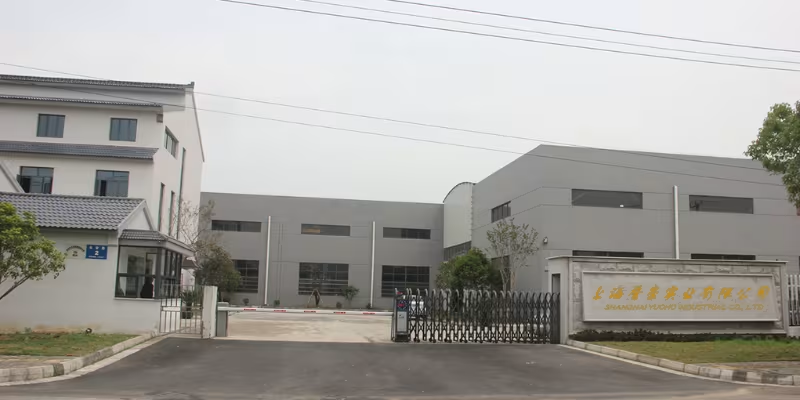
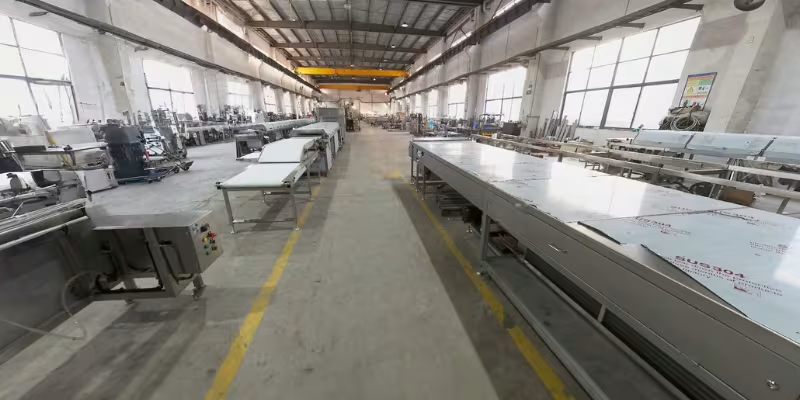
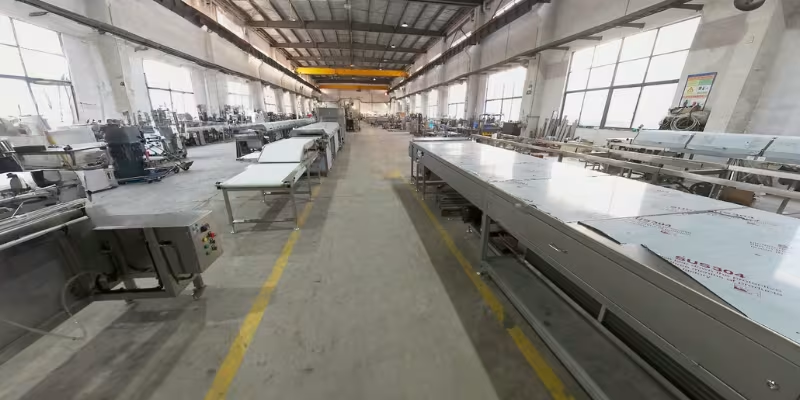
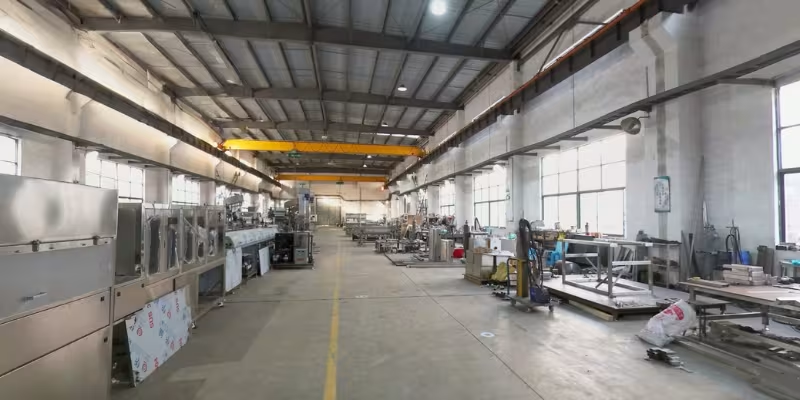
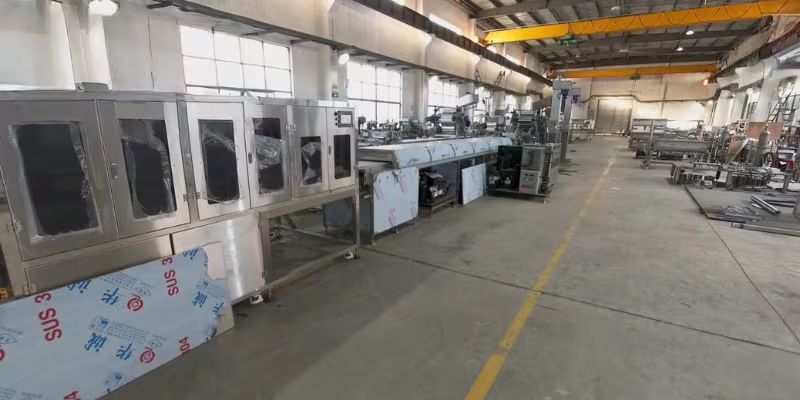
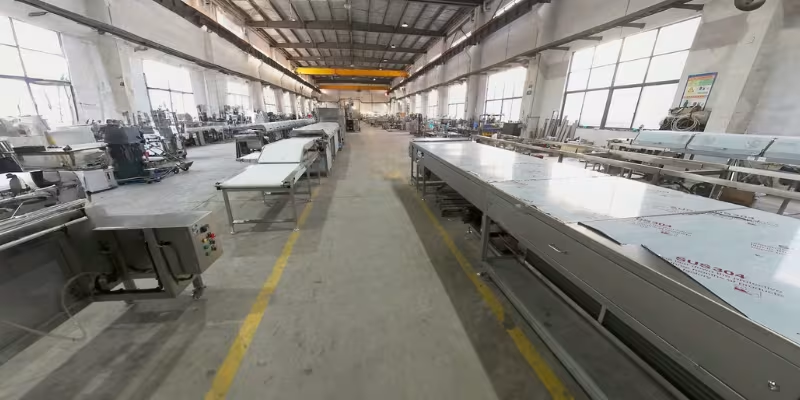
Equipped with modern processing facilities and a dedicated technical team, our 10,000㎡ production base in Shanghai and Jiangsu supports standardized, large-scale manufacturing of chocolate processing equipment.
Every piece of equipment undergoes strict inspection throughout production, from material selection to assembly and finished machine testing, ensuring stable performance and long service life.
Our experienced engineering team also provides professional on-site guidance, process optimization and targeted technical support for your bean-to-bar production line, helping you achieve efficient and reliable operation.
Send Inquiry Every piece of equipment undergoes strict inspection throughout production, from material selection to assembly and finished machine testing, ensuring stable performance and long service life.
Our experienced engineering team also provides professional on-site guidance, process optimization and targeted technical support for your bean-to-bar production line, helping you achieve efficient and reliable operation.
Customization & Comprehensive After-Sales Service
Customization Service
We offer one-to-one customized design for your bean-to-bar production line:
1. Adjust equipment capacity and dimensions based on your workshop layout;
2. Optimize production process to match your product (chocolate mass, cocoa butter, cocoa powder);
3. Customize auxiliary equipment and line integration for seamless production;
Global After-Sales Support
We have a dedicated after-sales team with 5 professional after-sales engineers and 15 foreign trade specialists, providing comprehensive after-sales service for global customers:
1. Overseas on-site installation and commissioning;
2. Professional operation and maintenance training for your staff;
3. Timely supply of spare parts and technical consultation;
4. Long-term after-sales follow-up and production optimization guidance;


FAQs
Q1. What is the average peeling rate for an industrial cocoa bean peeler?
The average peeling rate for an industrial cocoa bean peeler typically ranges between 95% and 98%. This high efficiency ensures that the majority of the shells are removed, leaving clean cocoa nibs ready for further processing.
Q2. Do I need to roast the cocoa beans before putting them in the machine?
Yes, roasting the cocoa beans is essential before peeling. The roasting process loosens the shells and makes them brittle, which is crucial for efficient separation of the nibs and shells during the peeling process.
Q3. How does the machine separate the light shells from the heavy nibs?
The machine uses a combination of mechanical cracking and aerodynamic separation. After the beans are cracked, a controlled airflow lifts the lightweight shells away from the heavier nibs. This ensures a clean separation with minimal manual intervention.
Q4. Can the peeling machine handle different sizes of cocoa beans at once?
Yes, modern cocoa bean peeling machines are designed to handle varying sizes of cocoa beans simultaneously. Adjustable settings allow the machine to adapt to different bean sizes, ensuring consistent peeling efficiency across diverse batches.
Q5. What is the typical percentage of nib loss during the peeling process?
The typical nib loss during the peeling process is minimal, usually less than 2–3%. High-quality machines are engineered to maximize nib retention while effectively removing the shells.
Q6. Is it difficult to clean the machine after a day of chocolate production?
No, most industrial cocoa bean peeling machines are constructed with food-grade stainless steel and feature accessible components, making them easy to clean. Many models are designed with smooth surfaces and minimal crevices to simplify the cleaning process and maintain hygiene standards.
Q7. Does the machine require a specific electrical setup for a small workshop?
Yes, the machine may require a specific electrical setup depending on its power requirements. For small workshops, it is important to ensure that the electrical supply matches the machine’s voltage and power specifications, typically ranging from single-phase to three-phase setups. Always consult the manufacturer’s guidelines for precise requirements.