

Home / Chocolate Machinery / Chocolate Refiner & Conche
Fourth-Generation Chocolate Refiner | Chocolate Conche Machine
Complete Solutions for Viscous Liquid Processing
Our fourth-generation chocolate refiner ensures exceptional precision and durability for your production. Featuring multifunctional capabilities such as refining, grinding, deodorizing, and dehydrating, this chocolate conche delivers stable performance and energy efficiency to craft high-quality viscous pastes flawlessly.
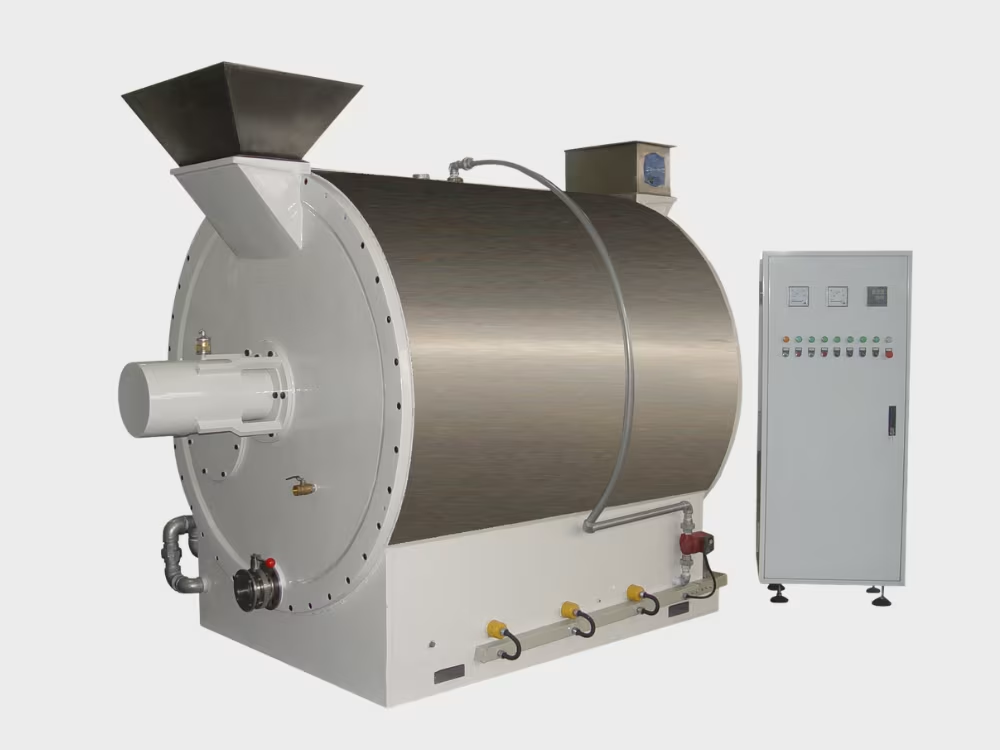
Trustworthy China Chocolate Machine Manufacturer
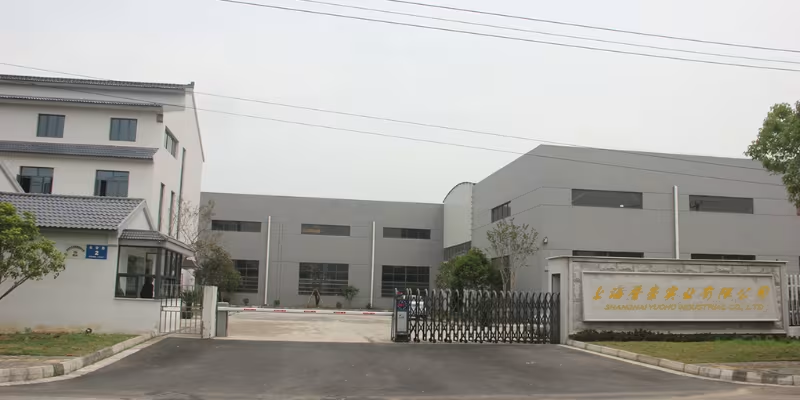
With over 35 years of industry expertise, SHANGHAI YUCHO INDUSTRIAL CO., LTD stands as a trusted leader in advanced confectionery equipment. Our premium chocolate refining machine delivers unmatched operational efficiency, utilizing advanced PLC-controlled automatic blade adjustment and leak-proof, high-quality materials.
Built for remarkable durability and stable performance, this essential equipment offers an impressive 30-year lifespan. We proudly provide customized, end-to-end processing solutions alongside comprehensive global support. From professional overseas installation to ongoing maintenance assistance, our expert engineers ensure seamless production and absolute satisfaction for food manufacturers worldwide.
Contact Us Now
Enter your inquiry details, We will reply you in 6 hours.
Product Details
Pressure Refiners of Chocolate with Visocity for Various Applications
The fourth-generation chocolate refiner combines versatility with efficient processing, offering a multifunctional design capable of refining, grinding, deodorizing, and dehydrating. It supports a wide range of applications, including chocolate pastes and other viscous ingredients like fruit jams and peanut butter.
YUCHO’s fourth-generation chocolate-refining systems excel at handling diverse textures and formulations in confectionery pastes. The PLC-controlled automatic knife-tightening system ensures precise, synchronized refining and grinding, optimizing operational efficiency. Stable and consistent grinding is critical to maintaining energy efficiency and minimizing strain on the production line. With a service life exceeding 30 years, the system is built for durability, delivering exceptional performance and fine grinding quality throughout its lifespan.


Models & Technical Parameters (Chocolate refining machine)
| Model | YC-JMJ20 | YC-JMJ40 | YC-JMJ100 | YC-JMJ500 | YC-JMJ1000 | YC-JMJ1500 | YC-JMJ2000 | YC-JMJ3000 |
|---|---|---|---|---|---|---|---|---|
| Capacity (L) | 20 | 40 | 100 | 500 | 1000 | 1500 | 2000 | 3000 |
| Fineness (µm) | 20-25 | 20-25 | 20-25 | 20-25 | 20-25 | 20-25 | 20-25 | 20-25 |
| Grinding Time (h) | 7-9 | 7-9 | 12-16 | 14-20 | 14-20 | 16-20 | 16-20 | 18-24 |
| Motor Power (kw) | 1.5 | 2.2 | 5.5 | 15 | 22 | 37 | 45 | 55 |
| Weight (kg) | 260 | 330 | 1050 | 2300 | 3450 | 3800 | 5600 | 7000 |
| Outer Dimension (mm) | 1030*560*1000 | 1100*630*1090 | 1200*1150*1050 | 2500*1300*1500 | 3000*1500*1800 | 2940*1600*2000 | 3100*1920*2200 | 4120*1920*2200 |
Area of Applications
This chocolate refiner (chocolate conche & chocolate refining machine) is widely used for refining and processing various viscous oil-based products, including:
- Chocolate Paste Refining (Fine grinding of dark, milk, white, and compound chocolate masses)
- Nut Butter Production (Smooth grinding of peanut butter, almond butter, and other nut pastes)
- Fruit Jam Processing (Fine refinement of fruit jams and fruit-based viscous spreads)
- Flavor & Aroma Development (Deodorization and dehydration of chocolate mass to enhance flavor profile)
- Industrial Chocolate Manufacturing (Core refining step for large-scale chocolate bar, tablet, and enrobing production)
- R&D & Small-Batch Production (Pilot-scale refining for new chocolate recipe development)


Core Features & Benefits
Automatic Knife Tensioning (PLC Controlled)
The PLC-controlled automatic knife-tightening system ensures consistent grinding pressure, eliminating manual adjustments and delivering stable, repeatable refining results across all batches.
Multi-Function Integration
Combines refining, grinding, deodorization, and dehydration in one machine, streamlining the chocolate production process and reducing the need for additional equipment.
Leak-Proof & Durable Construction
Heavy-duty components and a robust sealing design prevent material leakage, ensuring a long service life of up to 30 years while minimizing downtime and maintenance costs.
Energy-Saving Drive System
An optimized transmission design reduces power consumption per unit output, lowering operational costs while maintaining high refining efficiency.
Wide Application Versatility
Designed for processing chocolate paste and other viscous oil-based products like peanut butter, fruit jams, and nut spreads, offering maximum production flexibility.
Stable Grinding Performance
Precision-engineered grinding components ensure consistent particle size (20–25 µm) throughout the refining cycle, guaranteeing uniform mouthfeel and product quality.
How it works
A chocolate refiner is a heavy-duty machine designed to grind cocoa nibs, sugar, and milk powder into microscopic particles. By reducing the particle size to around 20 microns, the chocolate refiner ensures the final product feels perfectly smooth on the palate. If the particles are any larger, the chocolate will taste gritty.
The chocolate conche, often integrated into the same unit in modern setups, serves a different but equally important purpose. Conching is a continuous mixing and agitating process that distributes cocoa butter evenly throughout the chocolate mass. This extended friction and aeration release volatile acids and moisture from the cocoa.
Together, these two mechanisms are the backbone of high-quality chocolate manufacturing. While the refiner dictates the physical texture, the chocolate conche refines the flavor profile by removing bitterness and developing rich, caramelized notes. Using a combined chocolate-refining machine streamlines the entire workflow, allowing manufacturers to achieve precise control over both the mouthfeel and the taste of their confectionery products.
What is a Chocolate Refiner?
A chocolate refiner is a heavy-duty grinding machine designed specifically to reduce the particle size of cocoa solids and sugar. Human taste buds can generally detect particles that are larger than 30 microns. To create a smooth texture, chocolate must be ground down to a particle size between 15 and 25 microns. The refiner achieves this by applying immense pressure and friction to the ingredients over an extended period.
Beyond merely crushing ingredients, refiners also help release the cocoa butter trapped inside the cocoa nibs. As the cocoa butter melts from the heat generated by friction, it coats the solid sugar and cocoa particles. This transforms a dry, crumbly mixture into a fluid paste. The process often overlaps with conching, in which continuous movement and aeration develop the chocolate's final flavor profile.
The Significance of Chocolate Refiners in Chocolate Production
Texture is arguably the most defining characteristic of premium chocolate. The human mouth is incredibly sensitive to texture, and any grittiness immediately signals a lower-quality product. Refiners ensure that every bite feels rich, creamy, and uniform. By tightly controlling particle size, manufacturers can guarantee a consistent product from batch to batch.
Refining also plays a vital role in flavor development. The friction and heat generated during the refining process help volatilize bitter, acidic compounds naturally present in raw cocoa. As these unwanted flavors evaporate, the deeper, more desirable chocolate notes take center stage. Additionally, the thorough mixing ensures that sugar, milk powder, and cocoa butter are perfectly homogenized, preventing any single ingredient from overpowering the others.
Key Elements of a Chocolate Refiner
The construction of a chocolate refiner varies by type, but several core components remain consistent across models.
The Grinding Mechanism
This is the heart of the machine. In a stone melangeur, the grinding mechanism consists of granite wheels and a stone slab. In a roll refiner, it features cylindrical steel rollers. The grinding mechanism must be exceptionally durable to withstand continuous friction without wearing down and contaminating the chocolate.
The Drum or Hopper
The drum holds the cocoa mixture as it is being processed. It must be made from food-grade materials, typically stainless steel, to maintain sanitation standards. In continuous modern systems, a hopper feeds the ingredients into the grinding mechanism at a controlled rate.
The Scraper or Deflector
To ensure an even grind, the chocolate must be continuously directed back into the grinding path. Scrapers are positioned against the rollers or the side of the drum to fold the mixture over itself. This prevents the chocolate from accumulating in dead zones and ensures uniform particle reduction.
The Motor and Drive System
Chocolate refining requires significant torque, especially in the early stages, when the mixture is thick and sticky. Industrial refiners are equipped with powerful, heavy-duty motors capable of running continuously for days without overheating.
How Does a Chocolate Refiner Work?
The operation of a chocolate refiner follows a systematic process of crushing, shearing, and mixing. First, the operator loads roasted cocoa nibs and sugar into the machine. As the machine turns on, the grinding mechanism applies physical pressure to the ingredients, fracturing the large crystals of sugar and cocoa.
As the particles break down, friction naturally generates heat. This heat melts the cocoa butter present in the nibs. The liquid cocoa butter begins to envelop the dry particles, changing the mixture's physical state from a coarse powder into a thick, glossy liquid.
Throughout this process, the scraper continuously folds the chocolate. This folding action not only ensures even grinding but also aerates the mixture. The aeration allows volatile organic acids to escape, mellowing the chocolate's flavor. The machine will continue to run until the operator determines that the particle size has reached the target micron level.
Advantages of Chocolate Refiners
Investing in a dedicated chocolate refiner provides several operational advantages for confectioners. First, it grants the maker complete control over the product's final texture. Instead of relying on pre-made chocolate couverture, artisans can create custom blends with unique mouthfeels, ranging from rustic and slightly textured to ultra-smooth.
Second, refiners allow for total ingredient control. Manufacturers can experiment with alternative sweeteners, dairy-free milk powders, and unique cocoa origins without worrying that the ingredients won't integrate properly. This flexibility is essential for brands targeting niche dietary markets, such as vegan or keto consumers.
Finally, processing chocolate in-house using a refiner can significantly lower long-term production costs. Buying raw cocoa beans and sugar is substantially cheaper than purchasing finished chocolate blocks. Over time, the machine pays for itself through reduced ingredient costs and higher profit margins on the finished goods.
Our Certifications
We hold international authoritative certifications to ensure our equipment meets global market access standards and production quality requirements.


Our Manufacturing Strength
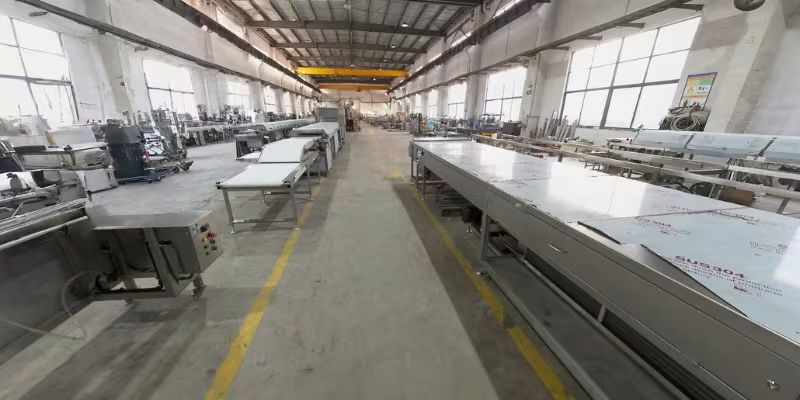
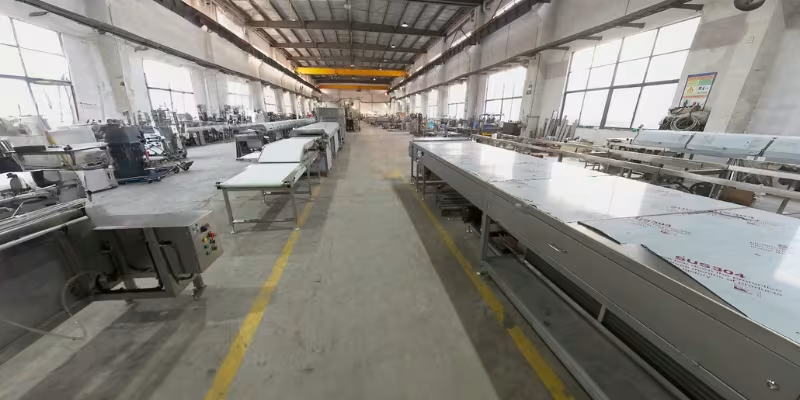
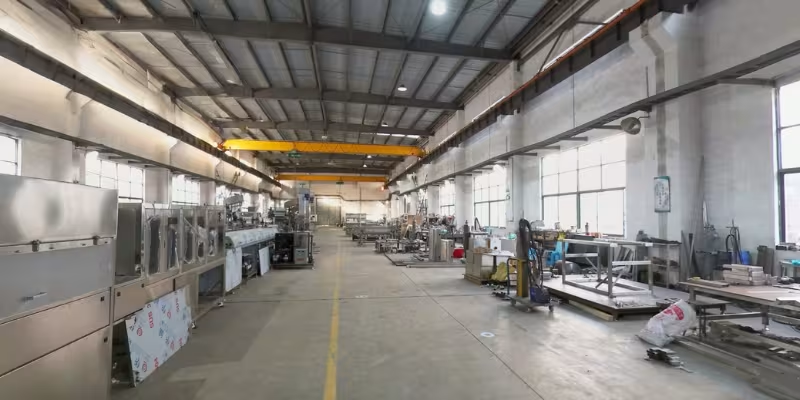
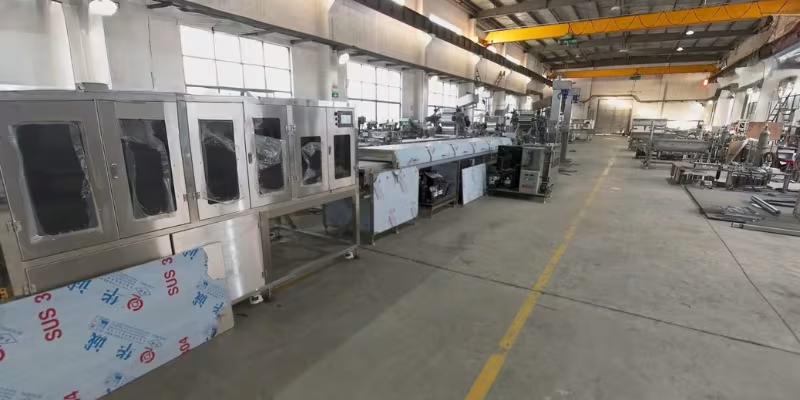
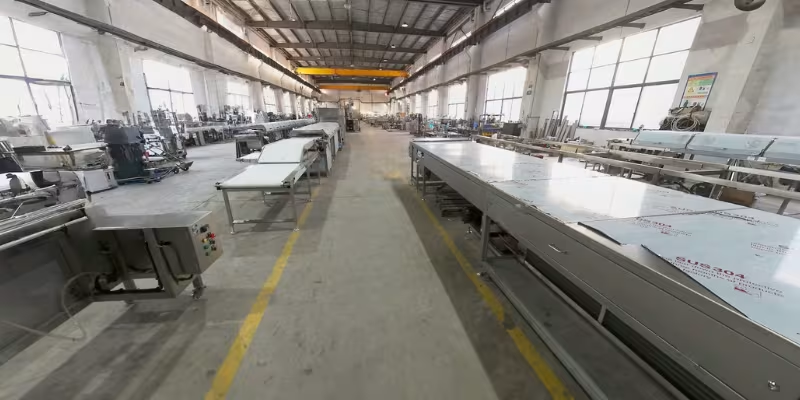
Equipped with modern processing facilities and a dedicated technical team, our 10,000㎡ production base in Shanghai and Jiangsu supports standardized, large-scale manufacturing of chocolate processing equipment.
Every piece of equipment undergoes strict inspection throughout production, from material selection to assembly and finished machine testing, ensuring stable performance and long service life.
Our experienced engineering team also provides professional on-site guidance, process optimization and targeted technical support for your bean-to-bar production line, helping you achieve efficient and reliable operation.
Send Inquiry Every piece of equipment undergoes strict inspection throughout production, from material selection to assembly and finished machine testing, ensuring stable performance and long service life.
Our experienced engineering team also provides professional on-site guidance, process optimization and targeted technical support for your bean-to-bar production line, helping you achieve efficient and reliable operation.
Customization & Comprehensive After-Sales Service
Customization Service
We offer one-to-one customized design for your bean-to-bar production line:
1. Adjust equipment capacity and dimensions based on your workshop layout;
2. Optimize production process to match your product (chocolate mass, cocoa butter, cocoa powder);
3. Customize auxiliary equipment and line integration for seamless production;
Global After-Sales Support
We have a dedicated after-sales team with 5 professional after-sales engineers and 15 foreign trade specialists, providing comprehensive after-sales service for global customers:
1. Overseas on-site installation and commissioning;
2. Professional operation and maintenance training for your staff;
3. Timely supply of spare parts and technical consultation;
4. Long-term after-sales follow-up and production optimization guidance;


FAQs
Q1. What is the ideal particle size for high-quality dark chocolate?
The ideal particle size for high-quality dark chocolate is 15–25 microns. This range delivers a smooth, non-gritty mouthfeel while allowing the chocolate’s natural flavors to fully develop and be perceived on the palate.
Q2. How long should a batch stay in the refiner to achieve a smooth texture?
Refining time depends on desired particle size and chocolate type, averaging 8–24 hours. Key influencing factors include machine settings, initial particle size of ingredients, and ingredient composition.
Q3. Can I use a refiner for nut butters or other confectionery products?
Yes, most chocolate refiners are versatile and suitable for producing nut butters, pralines, and other confectionery items. Ensure the machine is compatible with the material’s viscosity, and thoroughly clean it between uses to avoid flavor cross-contamination.
Q4. Why does the chocolate become thick or pasty during the refining process?
Thick or pasty chocolate typically results from insufficient fat content, improper temperature control, or overloading the machine. Prevent this by maintaining the correct cocoa butter-to-solids ratio, optimal refining temperatures, and not exceeding the machine’s capacity.
Q5. What is the difference between a stone melanger and a metal refiner?
A stone melanger uses granite stones for grinding and refining—slow, traditional, and ideal for small-scale/artisanal production. A metal refiner uses metal rollers or conches for faster, more precise refining, suited for industrial-scale operations. Metal refiners also offer better control over particle size and temperature.
Q6. How do I remove bitter flavors during the conching stage?
To eliminate bitter flavors during conching, ensure proper aeration to release volatile bitter compounds. Maintain the correct temperature and conching duration to let undesirable flavors dissipate while enhancing the chocolate’s taste. Adding a small amount of cocoa butter or sugar can further balance the flavor profile.