
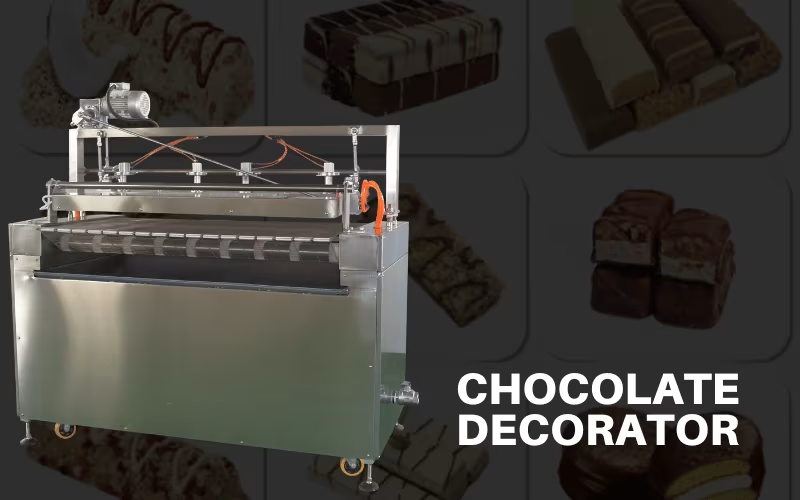
Chocolate decorators are among the most versatile and valuable processing machines used in the modern confectionery and bakery industries. They provide the extreme precision and mechanical flexibility needed to add intricate designs, elegant patterns, and smooth aesthetic coatings to a wide variety of sweet products. A chocolate decorator offers superior visual enhancement, improved process control, and ease of scalability, making it absolutely indispensable in food manufacturing sectors where eye-catching appeal and strict product consistency are critical for commercial success.
By automating what was once a highly laborious manual task, these machines transform standard production lines into high-throughput hubs of culinary artistry. This article explores the basics of chocolate decorating, common machine configurations, their diverse applications across multiple food industries, and the specific, highly profitable benefits they deliver to modern manufacturers.
What is a Chocolate Decorator?
A chocolate decorator uses specialized nozzles and continuous mechanical motion to apply decorative patterns, fine coatings, or elegant finishes to chocolates and other confectionery items. Depending on the machine configuration, the decorator can provide high-speed zigzag patterns, gentle chocolate misting, or complex customized looping. Unlike standard enrobing machines, which merely cover a product entirely, chocolate decorators are specifically engineered for applying detailed artistic elements and complex visual formulations with high precision.
A chocolate decorator consists of a feeding system, a decorating head, a conveyor belt, heating and cooling units, controls, and downstream equipment. The feeding system usually consists of a tempered chocolate supply that delivers liquid chocolate directly to the decorating head. The decorating head is a highly specialized component equipped with precise nozzles or tubes that move laterally or in circular motion over the passing products. Heating elements are an essential part of the design, maintaining exact temperature control to keep the chocolate perfectly fluid and prevent clogging. A computerized control system monitors and adjusts the process parameters, controlling temperature zones, nozzle speed, pump pressure, and belt rates.
The decorator assembly shapes the molten chocolate as it exits the nozzles, customizing the product’s final appearance. This technology plays a critical role in achieving consistent, intricate designs that instantly elevate product quality and consumer-perceived value.
Learn More: High-Precision Chocolate Decoration Machine for Confectionery
Types of Chocolate Decorators
Chocolate decorators are categorized based on their mechanical movement, application method, and specific design functionality.
Rotary Chocolate Decorators
In rotary chocolate decorators, the dispensing nozzles move in continuous circular or looping patterns. This generates perfectly consistent overlapping designs while applying exact amounts of chocolate over the passing confections, making them especially well-suited for processing high volumes of standard treats. Rotary designs are widely preferred for classic finishing operations, including creating the iconic zigzags on pralines, looping swirls on snack bars, and continuous ribbon patterns on large bakery items. This makes rotary decorators the preferred choice for demanding aesthetic applications.
Spray Chocolate Decorators
Spray chocolate decorators use pressurized air and specialized atomizing nozzles to apply a fine, velvet-like mist of chocolate. This delivers outstanding distributive coating over complex shapes or delicate pastries. This makes spray decorators the optimal choice for creating elegant, textured finishes on high-end desserts, truffles, and molded figures. The fine mist can cover uneven surfaces flawlessly without weighing down the delicate product underneath, adding a sophisticated touch that sets premium products apart from standard goods.
Customizable Decorators
With customizable decorators, manufacturers use modular designs that maintain a consistently high throughput while adapting to changing culinary trends. These advanced machines feature programmable motion profiles, providing enhanced flexibility well-suited to specific, intricate decorative needs on demand.
Benefits of Chocolate Decorators
Enhanced Aesthetics
Chocolate decorators are highly valuable, making them well-suited to dramatically improve the visual appeal of standard chocolate products. They are capable of both large-scale production and specialized artisan runs, efficiently handling complex pattern formulations to ensure a flawless finish. By applying intricate designs and beautiful contrasting colors, these machines instantly elevate a plain item into a premium, eye-catching confection. This visual enhancement directly increases the product’s perceived value, allowing brands to command higher retail prices and capture consumer attention on crowded store shelves.
Efficiency and Precision
Chocolate decorators operate continuously, minimizing downtime and delivering greater production efficiency than manual decorating techniques. Advanced decorators enhance output by reducing material waste through precise application and lowering labor costs associated with hand-piping. The automated nozzles deposit exact amounts of chocolate at incredibly high speeds, perfectly synchronizing with the moving conveyor belt. This capability accelerates innovation by enabling faster production cycles while ensuring that every piece looks identical and maintains strict brand quality standards across batches.
Versatility
Chocolate decorators can be tailored to diverse applications through modular design. They offer incredible capability to handle complex patterns, dual-color coatings, and diverse product types, enabling rapid adaptation when working with new creative formulations.
Applications of Chocolate Decorators
Chocolate decorators are central to industries where precise aesthetics, scalability, and efficiency are essential.
Confectionery Industry
They are commonly used in commercial confectionery for adding intricate, contrasting stripes and elegant swirls to molded chocolates, delicate truffles, and classic pralines. This automated decoration provides consistent product quality with tightly controlled visual appeal across massive production batches.
Bakery Industry
In the baking sector, decorators enhance everyday items by adding striking chocolate designs to cakes, fresh cookies, and delicate pastries. This equipment easily handles large baked goods, applying beautiful chocolate finishes that make supermarket bakery items look professionally handcrafted.
Specialty Products
Chocolate decorators are used in specialized manufacturing to produce highly customized, premium chocolate designs. They empower boutique brands to create seasonal themes, single-origin highlights, and unique textured coatings for the luxury gourmet market.
Conclusion
Chocolate decorators are advanced processing tools that provide unmatched aesthetic control, flexibility, and scalability. Whether used in high-volume confectionery manufacturing, commercial baking, or luxury specialty production, they deliver consistent, beautiful results and enable product innovation. By understanding the types of chocolate decorators, their diverse applications, and the aesthetic benefits they offer, manufacturers can select the right configuration to optimize efficiency and visual quality. We encourage food producers to invest in the right machine for their specific production needs. Contact us today to explore advanced chocolate-decorating solutions tailored to meet your manufacturing requirements.