
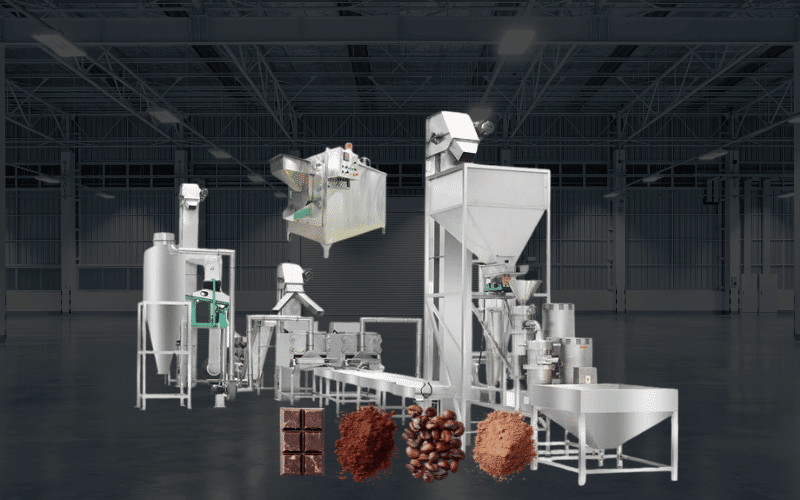
If you’re involved in the confectionery industry or simply fascinated by artisanal food processes, you’ve probably encountered bean-to-bar chocolate making. As one of the most versatile and indispensable production methods, it serves as the backbone of premium chocolate creation for diverse markets—ranging from small boutique shops to large-scale manufacturing facilities. This process not only defines the modern craft chocolate industry but also empowers makers to deliver unique, high-quality products.
In this guide, we’ll take an in-depth look at the mechanics of bean-to-bar chocolate equipment, explore the key machinery involved, discuss its core advantages, and share practical tips for optimizing the production process. Whether you’re a seasoned chocolatier with years of experience or a newcomer eager to learn the ropes, this resource is tailored for you. Let’s dive in!
What is Bean-to-Bar Chocolate Equipment?
Bean-to-bar chocolate equipment refers to a specialized set of machinery designed to transform raw cocoa beans into high-quality chocolate bars through a series of sequential processing stages. These stages typically include roasting, cracking, winnowing, grinding, and refining—each adjusted based on the desired flavor profile of the final product. The versatility of this equipment enables chocolate makers to produce a wide range of products, from smooth, delicate truffles to thick, robust dark chocolate bars suitable for baking and culinary applications.
How Does Bean-to-Bar Chocolate Equipment Work?
The bean-to-bar production process follows a precise, step-by-step workflow, starting with raw cocoa beans—usually sourced directly from farmers—to create the final chocolate product:
- Roasting: Raw cocoa beans are fed into a roaster, where they are heated at controlled temperatures to unlock their inherent flavors.
- Cracking and Winnowing: Post-roasting, the beans are passed through a cracker and a winnower, which break the beans apart and, using air currents, separate the cocoa nibs (the edible core) from the inedible husks.
- Grinding and Refining: The cocoa nibs are then processed in a refining system (such as a melangeur or ball mill) to produce a smooth, liquid cocoa liquor.
- Tempering: Finally, tempering machines carefully cool and stabilize the chocolate, ensuring the cocoa butter crystals form uniformly, resulting in the signature glossy finish and crisp snap of high-quality chocolate bars.
Partnering with Industry Experts – Shanghai Yucho Industrial Co., Ltd
When it comes to sourcing top-quality bean-to-bar chocolate machinery, SHANGHAI YUCHO INDUSTRIAL CO., LTD stands as a professional and trusted leader in the industry. As a professional chocolate machinery manufacturer with over 35 years of industry experience, we have two factories in Shanghai and Jiangsu, China, covering more than 10,000 square meters, dedicated to the design and production of advanced chocolate equipment. Our advanced processing systems can handle a wide range of cocoa bean origins and recipes, delivering tailored solutions for artisanal chocolate makers, bakeries, and luxury confectionery brands worldwide.
We serve global food manufacturers with a skilled team of 15 foreign trade specialists and 5 after-sales engineers available for overseas installation and commissioning. Committed to innovation and guided by a customer-first philosophy, we ensure that our chocolate-making lines meet the highest performance standards, helping businesses optimize their production processes, reduce operational costs, and consistently deliver exceptional chocolate products. Partner with YUCHO for reliability, expertise, and complete customer satisfaction.
Bean-to-Bar Chocolate Production Process Overview
Consistent, high-quality chocolate relies on mastering several key production steps, each critical to the final product’s flavor, texture, and appearance:
- Roasting: Raw cocoa beans are loaded into a roaster to develop complex flavors by breaking down bitter compounds and enhancing aromatic notes.
- Cracking and Winnowing: The roasted beans are cracked, and air currents separate the lighter husks from the dense, flavorful nibs—ensuring only the edible portion moves forward in the process.
- Grinding and Refining: Cocoa nibs are ground in a melangeur or ball mill, transforming them into a smooth, velvety liquid paste (cocoa liquor) by breaking down particles and blending in ingredients like sugar (if used).
- Tempering: The liquid chocolate is carefully heated and cooled in specialized machines to stabilize cocoa butter crystals, preventing fat bloom and ensuring a glossy finish and crisp snap.
- Molding and Finishing: The tempered chocolate is poured into molds of various shapes and sizes, then cooled and finished—ready for packaging or immediate consumption.
Types of Equipment Used in Bean-to-Bar Chocolate Production
One of the greatest strengths of bean-to-bar chocolate making is its adaptability—makers can choose from a range of machinery tailored to their production scale and product goals. Below are the most common types of equipment used:
- Roasters: Designed for precise temperature control, roasters unlock the unique flavor profile of cocoa beans by adjusting roasting time and heat intensity.
- Crackers and Winnowers: These machines offer high separation efficiency, effectively removing husks from nibs to ensure a clean, pure base for chocolate production.
- Melangeurs (Stone Grinders): Reliable and cost-effective, stone grinders create smooth, creamy textures by slowly grinding nibs and other ingredients over time.
- Conching Machines: These machines aerate and mix chocolate, reducing acidity and bitterness while enhancing flavor development and texture.
- Tempering Machines: Equipped with precise temperature control, tempering units ensure consistent crystallization of cocoa butter, resulting in a glossy finish and crisp snap.
Advantages of Bean-to-Bar Chocolate Equipment
Opting for specialized bean-to-bar equipment offers numerous benefits for businesses of all sizes. Here are the key advantages:
Cost-Effective Production
Modern bean-to-bar machinery enables efficient, high-volume production of craft chocolate, reducing per-unit costs and making it a sustainable solution for growing businesses. By streamlining the production process, makers can scale their operations without sacrificing quality.
Customization Options
The bean-to-bar process allows for extensive customization, giving chocolatiers full control over roast level, texture, sweetness, and flavor. Whether adjusting the cocoa bean origin, roast profile, or added ingredients (like nuts, fruits, or spices), makers can tailor products to meet precise customer demands.
Consistency in Quality
Advanced chocolate machinery delivers precise, repeatable results—eliminating variations in smoothness, temper, and flavor. This consistency is critical for luxury confectionery brands, bakeries, and foodservice providers that rely on uniform product quality to build customer trust.
Versatility in Applications
Chocolate produced via bean-to-bar systems is highly versatile, suitable for a wide range of applications—from gourmet truffles and chocolate bars to hot cocoa powders, baking ingredients, and culinary creations. This flexibility makes it a go-to solution for craft makers and commercial producers alike.
Key Components in a Bean-to-Bar Chocolate Equipment System
To fully understand bean-to-bar production, it’s essential to familiarize yourself with the core components of the equipment system. Below is a quick breakdown:
| Component | Description |
|---|---|
| Roaster | Heats and roasts raw cocoa beans to develop flavor and aroma. |
| Winnower | Separates cocoa nibs from the outer husks after cracking. |
| Grinder | Refines cocoa nibs (and additional ingredients like sugar) into a smooth paste. |
| Conche | Aerates and mixes chocolate to enhance flavor and reduce bitterness. |
| Tempering Machine | Cools and stabilizes chocolate to ensure a glossy finish and crisp snap. |
Challenges in Bean-to-Bar Chocolate Production
Like any food processing operation, bean-to-bar chocolate making comes with its own set of challenges. Manufacturers should be mindful of the following common issues:
Raw Material Inconsistencies
Cocoa bean batches can vary in quality due to factors like origin, harvest conditions, and storage. These variations can lead to uneven roasting, which impacts the flavor, acidity, and overall profile of the final chocolate.
Machinery Clogging
Thick chocolate paste can sometimes clog grinding or refining equipment, disrupting the production flow. This can result in uneven textures, production delays, or even equipment damage if not addressed promptly.
Temperature Issues
Improper tempering—either too much or too little cooling/heating—can cause fat bloom (a white, powdery layer on the chocolate surface) or a dull finish. Maintaining precise temperature control throughout the tempering process is essential for consistent results.
Optimizing the Bean-to-Bar Chocolate Production Process
To maximize efficiency, quality, and profitability, chocolate makers can implement the following optimization strategies:
- Invest in High-Quality Cocoa Beans: Starting with premium, consistently sourced beans simplifies the production process and ensures better flavor development. Look for beans from reputable suppliers with transparent sourcing practices.
- Regularly Maintain Equipment: Routine maintenance of roasters, grinders, and tempering machines prevents breakdowns, ensures consistent performance, and extends the lifespan of your equipment.
- Implement Real-Time Monitoring: Use advanced thermometers and monitoring systems to track roasting temperatures, grinding consistency, and tempering progress. This allows you to detect and resolve issues before they impact the final product.
Bean-to-Bar Chocolate in Different Industries
Bean-to-bar chocolate equipment serves a variety of industries, each with unique needs and applications:
Artisanal Chocolate Shops
Boutique chocolate shops are among the largest users of bean-to-bar equipment. These businesses rely on the ability to craft unique, single-origin chocolate bars, truffles, and other artisanal products that stand out in a competitive market.
Luxury Brands
In high-end confectionery, bean-to-bar chocolate is the foundation for elaborate creations—from chocolate sculptures and pralines to luxury gift sets. The rich, complex flavors and smooth texture of carefully refined bean-to-bar chocolate align perfectly with the expectations of luxury consumers.
Foodservice and Baking
Professional bakeries, high-end restaurants, and foodservice providers use bean-to-bar chocolate for a range of culinary applications. This chocolate meets strict quality standards and can be customized to suit specific pastry, dessert, or savory recipes.
Conclusion
Bean-to-bar chocolate making is a versatile, rewarding process that powers the modern craft chocolate industry—serving markets from artisanal boutiques to large-scale manufacturers. Whether you’re producing custom chocolate bars, baking ingredients, or luxury confections, understanding and optimizing the bean-to-bar process is key to long-term success.
With advancements in equipment technology and a growing focus on ethical, transparent sourcing, the future of bean-to-bar chocolate is both promising and innovative. By following best practices, investing in quality equipment, and prioritizing consistency, chocolatiers can build sustainable, successful operations that deliver exceptional products for years to come.
If you’re in need of high-quality bean-to-bar chocolate equipment, don’t hesitate to contact SHANGHAI YUCHO INDUSTRIAL CO., LTD—we’re here to help you bring your chocolate vision to life with our professional expertise and reliable solutions!