
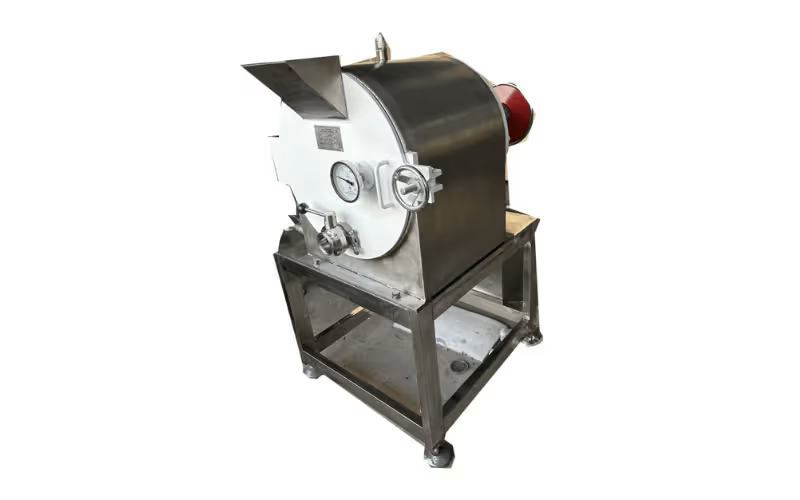
The chocolate grinder machine is a highly versatile and essential piece of equipment in the confectionery manufacturing industry, particularly in the meticulous processing of high-quality cocoa beans. This powerful machine plays a crucial role in transforming raw, roasted cocoa nibs into the smooth, luscious chocolate products that consumers around the world enjoy. Producing perfect chocolate requires exact precision, and the grinding process is the most critical step in achieving the desired mouthfeel, flavor release, and structural integrity of the final product.
Without a reliable chocolate grinder machine, manufacturers would struggle to reduce the particle size of cocoa solids and sugar to a microscopic level. This reduction is what prevents chocolate from feeling gritty on the tongue. By applying consistent mechanical shear and pressure, these machines ensure product quality and batch-to-batch consistency, which is vital for protecting a brand’s reputation.
But what exactly is a chocolate grinder machine? How does it effectively operate to produce such refined results? And what are its primary applications across different production scales? In this comprehensive blog post, we will explore the inner workings of the chocolate grinder machine, delving into its key components, operational principles, diverse types, and the wide range of applications that leverage its unique capabilities.
What is a Chocolate Grinder Machine?
A chocolate grinder machine is a specialized industrial device meticulously designed to refine roasted cocoa nibs into a smooth, liquid paste known as chocolate liquor or cocoa mass. During this transformative process, the machine applies intense mechanical force to break down the cocoa nibs’ cellular walls. This vital action releases the natural cocoa butter trapped inside the beans, turning solid, dry fragments into a rich, flowing liquid. Depending on the machine’s specific design, it uses heavy stones, metal rollers, or steel balls to continuously crush, shear, and grind the nibs until the solid particles are reduced to a size of typically 20 microns or less. This level of refinement is essential for creating the smooth texture characteristic of premium chocolate.
The significance of these grinding machines cannot be overstated in achieving the precise texture and flavor profile required in chocolate production. The grinding process does much more than just change the physical state of the cocoa. As the machine operates, friction generates heat, which helps volatilize harsh, acidic compounds naturally present in cocoa beans. This subtle conching effect smooths out the flavor, mellowing the bitterness and allowing the chocolate’s complex, desirable aromatic notes to shine through. Furthermore, the uniform particle size guaranteed by a high-quality grinder ensures that the cocoa butter coats every single particle of sugar and cocoa solid evenly, resulting in the luxurious, melt-in-your-mouth texture that consumers expect.
When comparing chocolate grinder machines to other types of industrial milling or grinding equipment, several distinct differences emerge. General food grinders or mills are often designed simply to crush dry ingredients into powders, without accounting for the high fat content of the material. Chocolate grinders, however, are specifically engineered to handle the unique rheological properties of cocoa mass. They must manage the transition from a dry solid to a highly viscous liquid without jamming or overheating. Unlike standard spice mills or grain grinders, chocolate grinders incorporate precise temperature-control systems to prevent cocoa butter from burning, preserving the delicate flavor profile throughout the intensive milling process.
Learn about the product: Chocolate Grinder Machine for Chocolate & Cocoa Mass Processing
Key Components of a Chocolate Grinder Machine
The chocolate grinder machine is a complex piece of engineering comprising several critical components that work together to ensure efficient operation and consistent performance.
Grinding Stones or Rollers
The actual grinding mechanism is the heart of the machine, typically consisting of heavy granite stones or highly polished steel rollers. In traditional melangeurs, massive cylindrical granite stones rotate on a stone base to crush the nibs. The stone’s porous nature provides excellent grip, creating the necessary shear force to break down the cocoa’s cellular structure. In modern industrial setups, heavy-duty stainless steel rollers are used. These rollers are set with microscopic precision, allowing the cocoa mass to pass through tiny gaps. The immense pressure exerted by these components ensures that the cocoa solids and sugar crystals are pulverized to the exact micron size required for a smooth texture.
Motor and Drive System
Powering the intense mechanical action of the grinding stones or rollers requires an exceptionally robust motor and drive system. Chocolate grinding is a highly energy-intensive process, as the machine must push through thick, highly viscous pastes for extended periods—sometimes up to 72 hours in artisan setups. The drive system, which usually includes a heavy-duty gearbox, converts the motor’s electrical power into high-torque rotational force. This ensures that the grinding mechanism maintains a consistent speed, even when the machine is fully loaded with dense cocoa mass. Advanced motors also feature variable-frequency drives, allowing operators to precisely adjust rotational speed to match the specific requirements of different recipes or stages of refinement.
Cooling System
Because the grinding process generates a massive amount of friction, the cooling system is an absolutely vital component of the machine. If the temperature inside the grinding chamber rises too high, the cocoa butter can degrade, leading to burnt flavors and an unstable crystal structure that ruins the final product. Industrial chocolate grinders are typically equipped with sophisticated water-jacketed cooling systems. Cold water circulates through internal channels within the grinding chamber or the rollers themselves, effectively drawing away excess heat. This precise thermal management keeps the chocolate mass at an optimal temperature—usually between 45°C and 55°C—preserving delicate flavor compounds and ensuring the chocolate liquor’s optimal viscosity.
Control Panel
The control panel serves as the brain of the chocolate grinder, giving operators complete control over the complex processing parameters. Modern machines feature intuitive, digital touch-screen interfaces that allow users to program specific grinding cycles. Through the control panel, operators can monitor and adjust the rotational speed of the grinding elements, regulate the internal temperature via the cooling system, and set the precise duration of the grinding process. Advanced control panels also include safety features and diagnostic tools that alert operators to potential issues, such as motor strain or temperature spikes, ensuring that the entire production run is executed flawlessly and safely.
How Does a Chocolate Grinder Machine Work?
The working principle of a chocolate grinder machine relies on a carefully orchestrated sequence of events that transforms hard, brittle cocoa nibs into a flowing, refined liquid.
Material Feeding
The process begins with the careful introduction of raw materials into the machine’s feeding zone. Typically, roasted and winnowed cocoa nibs are poured into a stainless steel hopper mounted above the grinding chamber. In continuous industrial systems, automated augers or vibrating feeders ensure a consistent, steady flow of nibs into the grinder. This controlled feeding rate is crucial; if too much material is introduced at once, the machine can choke, causing the motor to stall. As the nibs enter the grinding area, they are immediately caught by the rotating mechanical elements, initiating the critical physical transformation from solid to liquid.
Grinding Process
Once inside the active zone, the cocoa nibs are subjected to intense mechanical shear and compressive forces. As the heavy stones or metal rollers rotate, they trap the nibs and crush them mercilessly. This crushing action breaks apart the cocoa’s cellular structure, releasing the high percentage of cocoa butter it contains. Within minutes, the dry nibs turn into a thick, gritty paste. As the grinding continues hour after hour, the machine repeatedly forces this paste between the grinding surfaces. The continuous shearing action progressively reduces the size of the solid cocoa particles and any added sugar crystals. The goal is to bring the particle size below the threshold of human perception—around 20 microns—resulting in a perfectly smooth, refined chocolate mass.
Temperature Control
Throughout this intense friction-based process, managing the temperature is absolutely essential. The mechanical energy transferred into the cocoa mass quickly converts to heat. While some heat is beneficial for melting the cocoa butter and volatilizing unwanted acidic flavors, excessive heat will permanently damage the chocolate. The machine’s integrated water-cooling system continuously monitors the grinding chamber’s ambient temperature. Cold water is automatically pumped through the machine’s cooling jackets to absorb the excess thermal energy. This continuous balancing act ensures the chocolate remains within the ideal temperature range, preventing the sugar from caramelizing prematurely and preserving the aromatic integrity of the cocoa beans.
Final Output
After the programmed grinding cycle is complete, the machine yields its final output: a highly refined, perfectly smooth chocolate liquor. This output boasts an exceptionally consistent particle size and a fluid, glossy texture, ready to be tempered, molded, or used as an ingredient in further confectionery manufacturing processes.
Types of Chocolate Grinder Machines
While the core goal of refining cocoa remains the same, the industry uses different types of chocolate grinder machines designed to suit specific applications, production scales, and desired outcomes.
Stone Grinders
Stone grinders, often referred to as melangeurs, are the traditional choice for refining chocolate and remain incredibly popular in the craft and bean-to-bar chocolate movements. These machines feature heavy cylindrical granite stones that rotate on a flat stone base. The natural texture of the stone provides excellent grinding friction without generating excessive heat too quickly. Stone grinders are well-suited for small- and medium-scale artisan production because they offer a gentle, prolonged grinding process. This extended processing time inherently conches the chocolate while it grinds, helping to develop deep, complex flavor profiles that are highly sought after in premium, small-batch chocolate bars.
Roller Grinders
Roller grinders, or roll refiners, are the standard choice for large-scale, high-speed industrial chocolate manufacturing. These machines utilize a series of highly polished, precisely calibrated stainless steel rollers stacked horizontally or vertically. The chocolate mass is forced through the microscopic gaps between these heavy rollers. Because the gaps can be adjusted with pinpoint precision, roller grinders offer unmatched control over the final particle size. They operate at very high speeds, continuously processing massive volumes of chocolate. Their highly efficient design makes them ideal for multi-national confectionery brands that require absolute consistency and maximum throughput for their global product lines.
Ball Mills
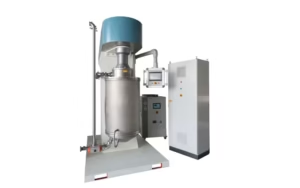
Ball mills represent a highly efficient, modern approach to chocolate grinding, designed to rapidly produce ultra-fine chocolate liquor. The machine consists of a vertical or horizontal cylindrical chamber filled with hundreds of heavy steel or ceramic balls. As the central agitator shaft rotates at high speeds, it sends the balls crashing into each other. The cocoa mass is pumped into this chamber, where it is subjected to the relentless impact and shearing forces of the tumbling balls. Ball mills are incredibly effective at achieving very fine particle sizes in a fraction of the time required by stone grinders, making them a popular choice for producing smooth coatings, fillings, and industrial chocolate bases.
Applications of Chocolate Grinder Machines
Chocolate grinder machines are incredibly versatile, finding crucial applications across a wide spectrum of the food and confectionery manufacturing landscape.
Artisan Chocolate Production
In the world of artisan, bean-to-bar chocolate making, stone grinder machines are the lifeblood of the operation. Craft chocolatiers focus intensely on highlighting the unique flavor notes of specific, single-origin cocoa beans. The gentle, prolonged action of the stone grinder allows these delicate flavors to develop fully without burning off the aromatic compounds. Artisans rely on these machines to produce small-batch, high-quality chocolate bars that boast a signature smooth texture and complex taste. The ability to monitor and tweak the grinding process over multiple days gives craft makers the ultimate control over their bespoke chocolate creations.
Industrial Chocolate Manufacturing
On the opposite end of the spectrum, massive industrial chocolate manufacturing facilities rely heavily on high-throughput roller grinders and automated ball mills. These operations produce the base chocolate used in thousands of everyday consumer products, from candy bars to baking chips. Industrial chocolate grinders are integrated into massive continuous production lines, processing tons of cocoa mass per hour. The primary requirement here is unrelenting consistency and efficiency. These advanced machines ensure that every batch of chocolate meets strict quality control standards for particle size and viscosity, which is essential to ensure the chocolate performs correctly during downstream enrobing and molding processes.
Specialty Chocolate Products
Beyond standard chocolate bars, grinder machines are essential for producing a wide range of specialty chocolate products. Manufacturers use them to produce the ultra-smooth chocolate bases required for high-end truffles, praline centers, and gianduja (chocolate-hazelnut paste). The machines are also used to create specialized coatings for ice cream and baked goods, which require a specific fat content and exact particle size to ensure the perfect snap and melt rate. Furthermore, the rise of vegan and health-conscious foods has led to these machines being adapted to grind alternative ingredients, creating dairy-free chocolate and high-protein cocoa spreads with unique, appealing textures.
Advantages of Chocolate Grinder Machines
Investing in high-quality chocolate grinding equipment offers several distinct advantages that directly impact the success and profitability of a confectionery business.
Consistent Quality
The primary advantage of a dedicated chocolate grinder machine is its ability to ensure incredibly consistent product quality. By utilizing precision-engineered components and automated control systems, these machines ensure that the chocolate’s texture and flavor profile remain uniform across every batch. The precise reduction of particle size eliminates any granular or sandy mouthfeel, resulting in a premium, velvety texture. This unwavering consistency is vital to maintaining brand loyalty, as consumers expect their favorite chocolate products to taste and feel exactly the same every time they purchase.
Efficiency
Modern chocolate grinder machines are designed with high throughput and operational efficiency in mind. Compared to older, labor-intensive methods of chocolate refining, today’s industrial machines process massive quantities of raw materials in significantly less time. Advanced motor designs and optimized grinding chamber geometries ensure that the maximum amount of mechanical energy is transferred directly into grinding the cocoa, minimizing wasted power. Additionally, the integration of automated feeding and continuous processing capabilities drastically reduces the need for manual intervention, streamlining production timelines and lowering overall labor costs for the manufacturer.
Versatility
These machines offer exceptional versatility, easily adapting to the diverse needs of modern food production. A high-quality chocolate grinder can handle a wide variety of cocoa bean types, from robust Forastero beans to delicate Criollo varieties, adjusting seamlessly to their different fat contents and hardness. Furthermore, these machines are not strictly limited to cocoa; many can be used to grind nuts for praline pastes or refine sugar for specialized confections. Whether operating in a small boutique kitchen or a massive industrial plant, manufacturers can expand their product lines with ease thanks to the scalable nature of chocolate grinding technology.
Maintenance and Care for Chocolate Grinder Machines
To ensure longevity and consistent high performance, regular maintenance and proper care of the chocolate grinder machine are absolutely mandatory.
Regular Cleaning
Thorough and regular cleaning is the most critical aspect of maintaining a chocolate grinder. Because chocolate is a high-fat product, residual cocoa mass left inside the machine can quickly oxidize, turn rancid, and contaminate subsequent batches. Operators must completely dismantle the accessible parts of the grinding chamber and carefully clean the grinding stones, rollers, or steel balls. Specialized food-safe solvents or hot cocoa butter flushes are often used to remove stubborn buildup from the internal crevices. Keeping the machine perfectly clean not only ensures compliance with food safety standards but also prevents old material from causing unnecessary friction and wear on moving parts.
Routine Inspections
In addition to daily cleaning, conducting routine mechanical inspections is vital for preventing unexpected breakdowns. Maintenance technicians must regularly check the motor and drive system for any signs of unusual vibrations or wear. Belts and gears should be properly lubricated and tensioned to ensure smooth power transmission. Furthermore, the cooling system requires close attention; hoses and water jackets must be inspected for leaks or mineral buildup that could impede coolant flow. By proactively monitoring these crucial components, manufacturers can address minor wear and tear before it escalates into costly downtime.
Choosing the Right Chocolate Grinder Machine
Selecting the optimal chocolate grinder requires a careful evaluation of your specific business needs and production parameters.
Production Scale
The most important factor to consider is your anticipated production volume. If you are an artisan chocolatier focusing on small, specialty batches, a traditional stone melangeur with a capacity of 10 to 50 kilograms is perfectly suited to your needs. It offers the gentle processing required for fine flavor development. Conversely, if you are setting up an industrial facility expected to process hundreds of kilograms per hour, you must invest in high-capacity roller refiners or industrial ball mills. Attempting to force high volumes through undersized equipment will inevitably lead to machine failure and compromised product quality.
Budget and Features
Balancing your budget with the required machine features is another crucial step. While international, high-end European brands offer unparalleled durability and advanced automation, they come with a significant capital cost. Manufacturers must evaluate whether they need advanced features like fully programmable touchscreen interfaces, automated recipe memory, and closed-loop cooling systems. For smaller enterprises or those with limited budgets, highly cost-effective domestic brands offer excellent basic functionality and reliability. It is essential to choose a machine that delivers the best return on investment by meeting your current technical requirements while leaving room for future business growth.
Conclusion
The chocolate grinder is an indispensable processing tool at the very heart of the confectionery industry. From the basic mechanical principles of crushing raw cocoa nibs to the advanced applications in both artisan and industrial manufacturing, these machines provide the unparalleled control and precision necessary to create high-quality chocolate. By understanding the different types of grinders available, their unique advantages, and the rigorous maintenance they require, manufacturers can ensure their operations run smoothly and efficiently.
Investing in the appropriate grinding technology allows businesses to achieve the perfect balance of smooth texture, rich flavor, and consistent batch quality that modern consumers demand. Selecting the right equipment tailored to your specific production scale and budget is the first critical step toward confectionery success.
If you are looking to elevate your chocolate manufacturing process or need guidance in selecting the perfect equipment, we encourage you to explore our advanced grinding solutions today. Contact our expert team for customized recommendations tailored perfectly to your chocolate production requirements.