

Chocolate depositors are among the most versatile processing machines used in the modern confectionery industry. They provide the precision and flexibility needed to automate the chocolate production process effectively. A chocolate depositor offers superior portion control, enhanced process management, and facile scalability, making it an indispensable tool in manufacturing environments where performance and consistency are absolutely critical. This specialized equipment handles the delicate task of distributing tempered chocolate into molds or directly onto other food products. By replacing manual pouring, chocolate depositors ensure precise weight distribution and perfectly uniform shapes across massive production runs. This article explores the basics of a chocolate depositor, common machine configurations, their diverse applications across industries, and the specific benefits they offer manufacturers. Whether operating a boutique confectionery shop or a large-scale industrial factory, understanding this technology is essential for optimizing your chocolate production capabilities.
What is a Chocolate Depositor?
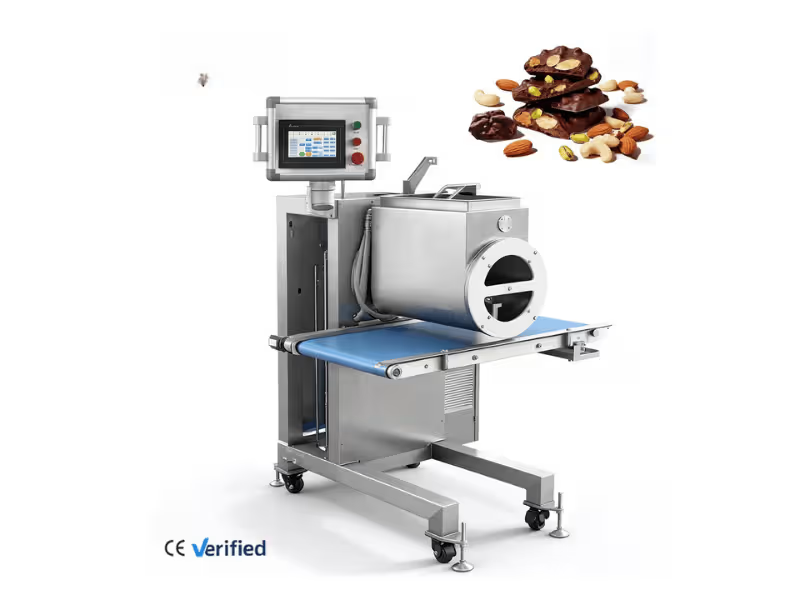
A chocolate depositor is a highly specialized piece of industrial equipment engineered to automate the process of dispensing liquid chocolate. It uses advanced mechanical systems to deposit precise, pre-measured amounts of tempered chocolate directly into polycarbonate molds or onto moving conveyor belts. Depending on the machine’s configuration, the depositor can handle simple solid chocolate bars, intricate praline shapes, or complex filled candies. Unlike manual pouring techniques, which often lead to uneven weights and messy spillage, chocolate depositors are designed for accuracy. They handle the highly viscous nature of molten chocolate with extreme precision, ensuring every single cavity is filled perfectly.
A standard chocolate depositor consists of a heated hopper, depositing nozzles, a motorized conveyor system, and a computerized control panel. The hopper acts as a heated reservoir, keeping the tempered chocolate at the exact temperature required to maintain its fluid viscosity. At the base of the hopper, precisely engineered depositing nozzles or pump plates distribute the chocolate. The conveyor system seamlessly moves empty molds or baked goods directly underneath the nozzles at synchronized speeds. Finally, the computerized control panel allows operators to adjust critical processing parameters, such as deposit volume, pump speed, and heating temperatures, ensuring optimal performance.
The significance of this machine lies in its ability to achieve absolute uniformity. By strictly controlling the volume of chocolate dispensed, depositors drastically reduce material waste and prevent overfilling. This automation elevates overall product quality and ensures compliance with strict commercial packaging weight regulations.
Learn More: Chocolate Depositor Solutions
Types of Chocolate Depositors
One-shot chocolate depositors are highly advanced machines capable of depositing both the outer chocolate shell and the internal filling simultaneously in a single mechanical stroke. They feature a unique concentric nozzle design, where the filling is pumped through the center while the liquid chocolate flows around it. This makes one-shot depositors the preferred choice for producing filled chocolates, truffles, and complex pralines with soft centers like caramel or ganache. By completing the shell and filling in one swift motion, these machines dramatically reduce processing time and eliminate the need to form and cool the chocolate shell separately.
Multi-shot depositors utilize multiple depositing heads positioned sequentially along the conveyor line. These systems are specifically engineered to create multi-layered chocolate products or highly complex treats requiring different types of chocolate in a single mold. For example, a multi-shot machine can effortlessly deposit a layer of dark chocolate, followed by a layer of white chocolate, and finish with a milk chocolate cap. These decorators are widely preferred for manufacturing premium layered confections, intricate novelty shapes, and visually striking dual-color chocolate bars that require distinct, separated ingredient deposits without blending the flavors.
Rotary depositors feature a spinning depositing drum that continuously extrudes chocolate drops or chips onto a moving belt. They are incredibly efficient and highly suited for high-speed production lines focused on mass-market items like chocolate chips or small solid buttons. This continuous motion guarantees maximum throughput for large industrial factories.
Benefits of Chocolate Depositors
Chocolate depositors are highly reliable, making them well-suited to ensuring absolute precision and consistent product quality in every batch. The automated pneumatic or servo-driven pistons guarantee highly accurate portioning, depositing the exact same weight of chocolate into every mold cavity. This strict consistency eliminates the visual variations and weight discrepancies inherent in manual production. By maintaining a uniform product size and shape, manufacturers can streamline their packaging processes and provide consumers with a visually perfect, reliable product that consistently meets strict brand quality standards and weight expectations.
Chocolate depositors operate in an automated mode, minimizing manual intervention and delivering greater production efficiency compared to traditional hand-pouring methods. These machines easily handle massive production volumes, drastically accelerating manufacturing timelines while significantly reducing expensive labor costs. As a business grows, depositors offer facile scalability. Many systems feature modular designs that allow facility managers to upgrade depositing heads or integrate automated mold-cooling tunnels. This rapid capability accelerates business growth by enabling faster production cycles and allowing manufacturers to meet sudden surges in consumer demand effortlessly, without sacrificing the chocolate’s underlying quality.
These machines offer incredible versatility, allowing operators to seamlessly switch between different product lines. With simple adjustments, a single depositor can produce a wide range of chocolate products, from simple solid bars to intricate, delicate praline designs. This flexibility ensures that modern confectionery brands can quickly adapt to changing market trends and consumer preferences.
Applications of Chocolate Depositors

In artisan chocolate production, craft makers rely on compact tabletop depositors to create premium, small-batch chocolates. These precise machines allow boutique chocolatiers to maintain their high-quality standards while safely increasing their daily output of beautifully molded bonbons and delicate signature truffles.
Industrial chocolate manufacturing facilities utilize massive, multi-lane depositors integrated directly into fully automated production lines. They provide the extreme speed and mechanical reliability necessary for producing the enormous volumes of mass-market chocolate bars and affordable candies sold globally in supermarkets.
Chocolate depositors are also essential for manufacturing specialty products. Health-food brands use them to precisely portion protein-infused chocolates, while premium labels leverage advanced depositing technology to produce complex-filled, beautifully multi-layered, or custom-designed chocolates that appeal directly to the luxury gourmet market.
Common Chocolate Depositor Questions
1. How does a one-shot depositor work for filled truffles?
A one-shot depositor simultaneously deposits both the chocolate shell and the filling in a single step. This is achieved through a dual-chamber system that precisely controls the flow of chocolate and filling, ensuring consistent weight and uniformity. It’s ideal for efficiently creating filled truffles, pralines, and other confectionery products.
2. Do chocolate depositors require a separate tempering machine?
Yes, most chocolate depositors require pre-tempered chocolate to function properly. A separate tempering machine ensures the chocolate has the right crystal structure for a smooth texture, glossy finish, and proper setting. Some advanced depositors may include built-in tempering systems, but this is less common.
3. What is the difference between a piston depositor and a gear pump depositor?
A piston depositor uses a piston mechanism to push chocolate through the depositing nozzles, offering high precision and control for thicker or more viscous chocolate. A gear pump depositor, on the other hand, uses rotating gears to move chocolate, making it better suited for continuous production and handling lower-viscosity chocolate.
4. Can these machines handle chocolate with large inclusions like almonds or sea salt?
Yes, many chocolate depositors are designed to handle inclusions such as nuts, dried fruit, or sea salt. However, the size of the inclusions must be compatible with the nozzle size to prevent clogging. Machines with larger nozzles or specialized configurations are better suited for such applications.
5. How often does the depositing head need to be cleaned?
The depositing head should be cleaned regularly to maintain hygiene and prevent chocolate buildup, which can affect performance. For most operations, cleaning is recommended at the end of each production cycle or shift. If switching between different chocolate types or recipes, cleaning may be required more frequently.
6. What temperature range should the hopper maintain during operation?
The hopper should maintain a temperature range of approximately 30–33°C (86–91°F) for milk and dark chocolate, and slightly lower for white chocolate. This ensures the chocolate remains in a fluid state without overheating, which could affect its quality and temper.
7. Are there benchtop models available for small businesses or startups?
Yes, there are benchtop chocolate depositors designed specifically for small-scale production. These compact machines are affordable, easy to operate, and ideal for artisan chocolatiers or startups looking to produce small batches of high-quality chocolates.
Conclusion
Chocolate depositors are advanced processing tools that provide unmatched portion control, flexibility, and scalability. Whether used in artisan boutique shops or massive industrial factories, they deliver consistent results, eliminate material waste, and vastly improve manufacturing efficiency. By understanding the different types of chocolate depositors, their specific applications across the industry, and the benefits they offer, manufacturers can select the exact configuration needed to optimize their factory output and product quality. We strongly encourage food producers to invest in the right machinery to secure long-term success. Explore advanced chocolate depositor solutions perfectly tailored for your unique production requirements today.