
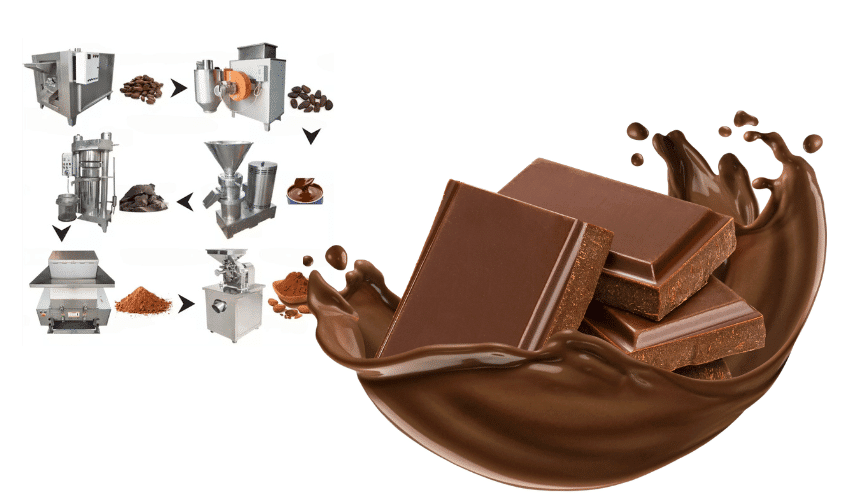
To start a chocolate business, you first pick one of four paths: work with finished couverture, become a handmade chocolatier, go full bean-to-bar, or launch a small production line. Your budget, your product goals, and how much of the process you want to control determine which one fits best. The smart move is simple — start lean, prove people will buy, then scale your equipment as you grow.
I’ve spent years working alongside chocolate makers and the machines that grow with them. The same pattern shows up again and again: the people who succeed don’t overspend early. They match their setup to real demand.
Here’s what this guide covers:
- The four startup paths and who each one fits
- Real startup costs, broken down by category
- The equipment you actually need at each stage
- Licenses, pricing, first customers, and the mistakes that sink new makers
How to Start a Chocolate Business: Choose Your Path First
Before you buy a single mold, decide on your path. This one choice shapes your costs, equipment, daily workflow, and profit margins. Get it right, and everything else falls into line.
Think of it as a spectrum. On one end, you buy ready-to-use chocolate and focus on shaping and flavoring it — lowest cost, fastest start. On the other end, you make chocolate from raw beans, which gives you full control but demands the most money and skill.
Path 1: Start With Finished Couverture
What it is: You buy high-quality couverture chocolate and focus on melting, tempering, molding, and flavoring it. No roasting, no grinding.
Investment level: Lowest. This is the fastest way to launch on a tight budget.
Who it suits: Beginners, gift-focused brands, and anyone who wants to test demand before committing serious cash.
Key need: Reliable tempering. That glossy, snappy finish customers expect comes from stable crystals, and a good chocolate tempering machine makes it repeatable batch after batch.
Path 2: Become a Handmade Chocolatier
What it is: You craft filled chocolates, truffles, bonbons, and bars using hand techniques and small tools. The craft and detail are your selling points.
Investment level: Low to moderate.
Who it suits: Makers who want a premium, artisan brand and genuinely enjoy hands-on work.
Key need: Consistent tempering plus clean coating for filled pieces. A chocolate enrober gives those products an even, professional shell.
Path 3: Start a Small Bean-to-Bar Business
What it is: You control the entire process from raw beans—roasting, cracking, winnowing, grinding, refining, and molding.
Investment level: Higher. Expect more equipment and a real learning curve.
Who it suits: Makers who want full flavor control and a strong single-origin craft story.
Key need: Stable production and even cooling. As volume climbs, a chocolate cooling tunnel keeps your bars setting evenly and free of defects.
Path 4: Launch a Small Commercial Production Line
What it is: A compact, semi-automated setup built for steady volume and wholesale supply.
Investment level: Highest, but it’s built for output and consistency.
Who it suits: Brands with proven demand that are ready to grow past what hands can produce.
Key need: Integrated, repeatable production. A chocolate production line integrates tempering, depositing, and cooling into a single, smooth flow.
Which Chocolate Business Path Is Right for You?
Here’s a quick way to match yourself to a path:
- Tight budget, fast launch: Couverture.
- Premium artisan brand, hands-on work: Handmade chocolatier.
- Full flavor control and craft identity: Bean-to-bar.
- Proven demand, ready to scale: Small production line.
The takeaway: Start where your budget and demand actually sit today. You can always upgrade later.
Chocolate Business Startup Costs: What to Expect
Your startup costs depend almost entirely on the path you choose. A home chocolatier working with couverture might start with a few thousand dollars. A bean-to-bar setup or production line runs at much higher rates. Instead of chasing a single magic number, build your own estimate using these buckets.
Equipment Costs by Path
- Couverture-based: Tempering machine and molding tools.
- Handmade chocolatier: tools for tempering, enrobing, and decorating.
- Bean-to-bar: Roaster, crusher, winnower, and a grinder or refiner.
- Small commercial line: Integrated tempering, depositing, and cooling equipment.
Ingredient and Raw Material Costs
This shifts with your path, too. Couverture makers buy finished chocolate, cocoa butter, sugar, and inclusions like nuts or dried fruit. Bean-to-bar makers buy raw beans by the sack, which costs less per pound but requires more processing.
Packaging Costs
Don’t skimp here. You need food-safe materials that protect chocolate from heat and light and help prevent bloom. For gifts, packaging is part of the product itself.
Legal, Insurance, and Setup Costs
Budget for business registration, local permits, product liability insurance, and any workspace fees. These are small, next to the equipment, but skipping them causes bigger headaches later.
Ongoing Overhead
Think rent or commissary fees, utilities, website hosting, and marketing. These costs repeat every month, so factor them into your pricing from day one.
The takeaway: Couverture lets you start small. Bean-to-bar and production lines need more upfront capital, but they unlock far higher output.
What Equipment Do You Need to Start a Chocolate Business?
The simplest rule I can give you: buy for the stage you’re in, not the stage you hope to reach. Overbuying early ties up cash you’ll need elsewhere.
Minimum Setup to Get Started
Start with the basics — melting equipment, molds, scrapers, a good digital thermometer, and cooling racks. Many makers launch with little more than this.
When You Need a Tempering Machine
Tempering by hand works for small batches, but it’s slow and inconsistent. Once you’re selling regularly, a chocolate tempering machine makes the difference between glossy, shelf-stable results and dull, bloomed ones. Consistency is what keeps customers coming back.
When Enrobing Equipment Makes Sense
If you’re making filled chocolates, coated bars, or anything that needs an even outer shell, hand-dipping gets old fast. A chocolate enrober applies a uniform coating and streamlines your entire workflow.
When Cooling Becomes Critical
As your volume grows, even cooling helps protect your gloss and prevent surface defects. A chocolate cooling tunnel controls airflow and temperature in stages, so products set cleanly rather than being shocked by cold.
When a Production Line Is Worth It
Once demand is proven and your hands can’t keep up, it’s time to scale. A chocolate production line integrates tempering, depositing, and cooling for steady, repeatable output.
The takeaway: Upgrade in step with demand. Equipment should follow your sales, not run ahead of them.
Licenses, Permits, and Food Safety Rules You Need
The legal side feels tedious, but it’s quick to handle and protects everything you build.
- Register your business entity. An LLC or sole proprietorship helps shield your personal assets.
- Get a business license and sales tax permit from your local and state governments.
- Contact your local health department for food safety rules and inspections that apply to chocolate.
- Understand cottage food laws if you plan to start from a home kitchen — they vary by state and set real limits.
- Buy product liability insurance to cover claims for allergies or illness.
- Follow labeling rules: net weight, ingredient list, and allergen warnings.
The takeaway: Sort the legal basics early so they never block your growth later.
How to Price Chocolate Products for Profit
Pricing is where new makers most often hurt themselves. Charge too little, and you’ll work hard for almost nothing.
- Calculate your cost of goods sold. Add up ingredients, packaging, and labor for every batch.
- Layer in overhead. Rent, utilities, marketing, and website costs all belong in the math.
- Set wholesale prices with room to spare. Retailers need to add their markup, and you still need to profit.
- Position premium products to match perceived quality, especially for gifts, where buyers expect to pay more.
- Review prices regularly. Global cacao costs swing, and your prices should keep up.
The takeaway: Price for profit from day one. Undercharging is one of the hardest mistakes to walk back.
How to Get Your First Chocolate Customers
You don’t need a huge audience to start. You need a few channels that put your chocolate in front of real buyers.
- Build a clean, photo-driven website to take online orders. Good photography sells chocolate.
- Use social media to show your craft — tempering, enrobing, and decorating in action. People love watching the process.
- Sell at farmers’ markets and pop-ups. You get direct feedback and early cash flow at the same time.
- Chase wholesale partnerships with coffee shops, wineries, and gift stores.
- Launch seasonal collections for Valentine’s Day, Christmas, and other gifting peaks.
The takeaway: Start local and direct. Once you’ve built a base, expand into wholesale and online.
Common Mistakes to Avoid When Starting a Chocolate Business
I’ve watched plenty of promising brands stumble over the same things. Here’s what to dodge:
- Launching with too many products. Perfect three or four core items before you expand the catalog.
- Buying equipment too early. Wait until demand justifies the spend.
- Underpricing handmade products. Your margins disappear fast when you do.
- Ignoring shelf life and shipping. The risk of melting in warm months catches many new makers off guard.
- Jumping into bean-to-bar too soon. Validate that customers will buy before you invest in heavy gear.
- Using weak packaging that can’t protect chocolate from heat and bloom.
The takeaway: Most early failures come from spending or scaling ahead of real demand.
Frequently Asked Questions
How much money do you need to start a chocolate business?
It ranges widely. A home-based couverture setup can start for a few thousand dollars, while a bean-to-bar operation or small production line can run tens of thousands once you factor in roasting, grinding, and cooling equipment.
Can I start a chocolate business from home?
Often, yes. Many states allow it under cottage food laws, but those laws set limits on what you can make and where you can sell. Check your local permits, register your business, and confirm the rules before you start.
Is a chocolate business profitable?
It can be, especially with premium and gift positioning, wholesale accounts, and strong seasonal sales. Profit comes down to disciplined pricing and keeping your costs in check, not just volume.
What is the difference between a chocolatier and a chocolate maker?
A chocolatier crafts products from finished chocolate — think truffles and bonbons. A chocolate maker produces chocolate itself, starting from raw cocoa beans.
Is it cheaper to start with couverture or bean-to-bar?
Couverture is far cheaper to start with because you skip the roasting, cracking, and grinding equipment. Bean-to-bar costs more upfront but gives you full control over flavor.
What equipment do I need to start a chocolate business?
At a minimum, you need reliable tempering plus basic molds and tools. Add enrobing, cooling, and eventually production-line equipment as your volume grows.
How do you ship chocolate in summer without it melting?
Start with well-tempered, fully cooled chocolate, then use insulated packaging and coolants sized to the route. Faster shipping during hot months keeps your product out of warm warehouses.
Final Thoughts
Starting a chocolate business comes down to one early decision: choose the right path for your budget and goals. Whether that’s couverture, handmade work, bean-to-bar, or a small production line, the rest of your plan flows from there.
Once you know your path, your costs, equipment, and workflow stop feeling overwhelming and start making sense. Begin lean, prove people want what you make, and upgrade your equipment as demand grows.
When you’re ready to scale, take a look at reliable production equipment — from a chocolate tempering machine to a complete chocolate production line — built to grow right alongside your business.