
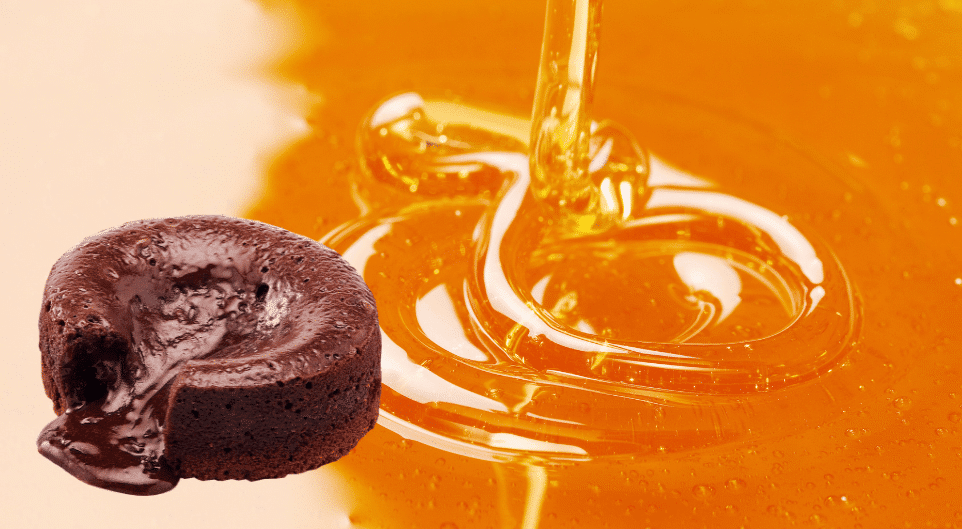
Honey and chocolate seem like natural partners, yet the first time most people stir honey into melted chocolate, they end up with a stiff, grainy mess. The reason is simple: honey behaves nothing like the sugar that chocolate is built around. It carries water and a delicate set of aromas, and both qualities reshape the sweetness, texture, and structure of whatever you mix it with.
Get that one idea right, and honey becomes one of the most rewarding ingredients you can bring to chocolate.
This guide treats honey as a formulation choice, not just a flavor swap. By the end, you’ll know how to:
- Pair honey with white, milk, and dark chocolate
- Mix it in without seizing your chocolate
- Fix grainy or overly soft results
- Choose the recipes where honey actually shines
Whether you’re baking at home, working a production bench, or developing a new recipe, the aim is the same: to capture the depth of flavor honey offers without sacrificing the texture you want.
Can You Use Honey in Chocolate?
Yes—but honey is not a one-to-one stand-in for sugar, and pretending otherwise is where most recipes go wrong. White sugar is dry. It dissolves into the fat of chocolate and helps it set firm and snappy. Honey is wet, and that moisture changes the rules.
The whole thing comes down to chemistry. Honey is water-based, while chocolate is fat-based, and water and fat naturally resist each other. Once that tension clicks into place, every tip that follows starts to make sense.
How Honey Differs from Refined Sugar
A handful of differences drive almost everything:
- Water content. Honey is roughly 17–18% water, and that water is what makes melted chocolate seize.
- Aroma. Honey brings floral, herbal, or earthy notes to the table. Sugar brings none.
- Sweetness intensity. Spoon for spoon, honey tastes sweeter than sugar, so you usually need less.
- Set and firmness. Honey keeps things soft. A honey-sweetened bar rarely snaps the way a sugar-based one does.
The practical lesson: treat honey as a wet ingredient that reshapes texture, not as a dry sweetener you can swap in cup for cup.
When Honey Works Best (and When It Doesn’t)
Honey thrives in recipes that already carry moisture or fat, and it fights you in recipes that depend on a dry, crisp set.
Honey works beautifully in:
- Ganache
- Truffle centers and soft fillings
- Chocolate spreads
- Brownies and cakes
- Drinking chocolate
- Chocolate sauces
Honey is harder to handle in:
- Tempered snap bars
- Shell molding without a water phase
- Recipes that rely on precise sugar crystallization
Keep honey in the moisture-friendly column, and most of your troubles disappear before they start.
Why the Pairing Works
Sweetness is the least interesting thing honey brings to chocolate. What it really offers is character—floral, herbal, fruity, or earthy notes that shift depending on where the bees foraged. That makes honey a flavor ingredient in its own right, not just a sweetener.
Flavor Contrast and Aromatic Complexity
Chocolate carries bitterness, roast, and deep cocoa notes. The right honey softens those edges without erasing them. A bold dark chocolate reads as less harsh beside a robust honey, while a creamy milk chocolate picks up a gentle floral lift.
The botanical source decides the direction. Acacia honey tastes soft and clean. Buckwheat leans malty and almost savory. Chestnut turns bitter and woody. Each one pulls your chocolate somewhere different, which is exactly what makes the pairing worth playing with.
A More Complex Sweetness
Plenty of people reach for chocolate with honey because they want a less processed, more nuanced kind of sweetness. Both honey and cocoa contain naturally occurring antioxidants, and that appeals to anyone who prefers a shorter, simpler ingredient list.
Worth saying plainly, though: honey and chocolate are treats, not health food. The real reason to bring them together is flavor and texture—not a promise of better health.
How to Choose Honey by Chocolate Type
One rule guides the whole process: match the honey’s intensity to the chocolate’s. A delicate honey vanishes into dark chocolate, and a powerful one bulldozes white chocolate. You’re aiming for balance, where neither ingredient buries the other.
| Chocolate Type | Suggested Honey | Flavor Effect | Main Risk |
|---|---|---|---|
| White chocolate | Acacia, clover | Light floral sweetness | Honey flavor can take over |
| Milk chocolate | Orange blossom, wildflower | Caramel-fruity balance | Can become too sweet |
| Dark chocolate (70–90%) | Buckwheat, chestnut | Bold, earthy depth | Texture softening |
| Bittersweet bars | Infused honeys (chili, lavender) | Added aromatic layer | Infusion can mask cocoa |
Best Honey for White Chocolate
White chocolate lives on creamy, milky sweetness, so reach for a light honey like acacia or clover that won’t smother it. Even mild honey can dominate here, so start with a small amount and taste as you build.
Best Honey for Milk Chocolate
Milk chocolate leans into gentle caramel tones, and medium-amber honeys play right into them. Orange blossom and wildflower add a fruity, rounded sweetness. Keep an eye on the sugar, though—milk chocolate is already sweet, and honey can tip the balance into cloying.
Best Honey for Dark Chocolate
Dark chocolate in the 70–90% range needs a honey with backbone. Robust choices like buckwheat or chestnut hold their ground against intense cocoa. The trade-off is texture: more honey means a softer set, so dial in the ratio with care.
Using Infused or Strongly Flavored Honey
Infused honeys—chili, lavender, citrus, smoked—can add a striking extra layer to bittersweet bars. Restraint is everything. Start small so the infusion supports the cocoa rather than overpowering it.
How to Mix Honey Without Seizing
Seizing is the classic honey-in-chocolate failure. A small amount of water hits melted chocolate, the cocoa solids and sugar clench together, and you’re left with a stiff, grainy lump. Since honey is mostly water, that risk is always lurking.
The fix isn’t a single magic temperature. It’s phase management—controlling how the water-based honey and the fat-based chocolate come together.
Match Temperatures First
Bring both ingredients to similar temperatures before they meet. Cold honey dropped into warm chocolate is asking for trouble. Warm the honey gently so it flows freely, and skip any prolonged high heat, which flattens its aroma and strips out its more delicate notes.
Build Honey into an Emulsified System
This is the most reliable move you can make. Rather than adding honey straight to bare melted chocolate, fold it into the water or fat phase first. Stir it into warm cream, butter, or coconut milk, then bring that mixture together with the chocolate.
The takeaway: give honey a stable home in an emulsion like ganache or a filling, never naked melted chocolate.
Add Gradually and Watch the Quantity
Add honey in small amounts, tasting and checking texture as you go. You can always add more; you can’t take it back out. Too much honey does double damage—it over-sweetens the mix and softens the final set at the same time.
Manage Water in Fillings
In fillings and truffle centers, total water content shapes both texture and stability. Higher water activity can shorten how long a filling stays fresh, so keep your moisture in check. Don’t lean on honey as a preservative—it isn’t one.
Troubleshooting Common Texture Problems
When honey chocolate goes sideways, the cause is usually easy to pin down once you know what to look for. Use this as a quick “if your chocolate is… do this” reference.
Why Your Chocolate Turns Grainy
Cause: Too much water or poor emulsification, almost always from adding honey straight to melted chocolate.
Fix: Rework it into a ganache by stirring in warm cream or a little fat to pull it back together.
Why Honey Makes Chocolate Too Soft
Cause: Too much honey, or not enough fat to balance the added moisture.
Fix: Cut back the honey, adjust the cocoa butter, or chill the finished product so it firms up.
Why the Flavor Tastes Flat
Cause: The honey is too mild for the chocolate you chose.
Fix: Move to a bolder honey, or drop to a lower cacao percentage so the two meet in the middle.
Storage and Firmness
Honey-sweetened chocolate runs softer by nature, so it often needs refrigeration to hold its shape. How long it keeps depends on water activity, any dairy in the mix, and storage conditions—judge each recipe on its own rather than reaching for a fixed rule.
Practical Honey-to-Chocolate Ratios
There’s no single perfect ratio, because the right amount shifts with the recipe. Treat the numbers below as conservative starting points and adjust from there.
| Use Case | Honey Role | Starting Adjustment | Main Risk |
|---|---|---|---|
| Ganache / fillings | Sweetener + softener | Start small, build slowly | Loose, soft center |
| Brownies / cakes | Partial sugar swap | Reduce other liquids | Dense or wet crumb |
| Bars / molded chocolate | Minor sweetener | Use sparingly | Loss of snap |
Ganache and Fillings
Begin with a small amount of honey and work upward to protect the texture. A little goes a long way in flavor, and you can always sweeten more after a taste.
Baked Goods
When you swap part of the sugar in brownies or cakes for honey, pull back on the other liquids to keep the batter in balance. Honey also browns faster, so keep an eye on bake time and oven temperature.
Bars and Molded Chocolate
Tread carefully here. Even small amounts of honey soften the snap and firmness of a molded bar. If a clean, crisp set matters, keep honey to a minimum or save it for softer formats.
Best Ways to Use Honey in Chocolate Recipes
Honey rewards moisture-friendly applications, and matching it to the right format is the fastest route to consistent results.
Honey Ganache
Ganache is the safest place to start. Warm your cream, stir in the honey until it dissolves, then pour it over chopped chocolate and emulsify into a smooth, glossy mixture. Keep the honey modest and the ganache stays stable and easy to pipe.
Truffles and Soft Fillings
Because honey holds onto moisture, it keeps truffle centers soft and smooth. Build it into the ganache base, then roll and coat as usual. It’s one of the most forgiving uses going.
Brownies and Cakes
In baked goods, honey can replace part of the sugar while adding moisture and depth. Trim the other liquids and expect a slightly denser, more tender crumb. The richer color and flavor come free.
Spreads and Sauces
Pourable, emulsified formats love honey. In a spread or sauce, the water in honey isn’t a liability because the recipe already carries fat and liquid. You get rich flavor with almost no risk of seizing.
Filled Bonbons and Drinking Chocolate
For filled bonbons, balance the sweetness so the honey complements the shell instead of fighting it. In drinking chocolate, honey melts straight into the warm liquid and leaves a smooth, rounded finish.
Best Flavor Pairings
A few companions bring out the best in both ingredients:
- Sea salt — bridges floral honey and earthy cocoa
- Roasted nuts — almonds or hazelnuts add crunch against the soft texture
- Dried fruit — figs and apricots echo the fruity notes in honey and cacao
- Warm spices — cinnamon, cardamom, or ginger amplify the warmth in darker honeys
- Citrus zest — adds brightness that lifts heavier dark chocolate
- Coffee or tea notes — deepen the roasted, complex side of the pairing
Common Mistakes to Avoid
Most honey-chocolate failures trace back to a short list of avoidable errors:
- Adding honey straight to melted chocolate instead of into a water or fat phase
- Using cold honey pulled from the cupboard or fridge
- Adding too much honey and over-softening the set
- Overheating the honey and cooking off its aroma
- Expecting honey to behave like dry sugar
- Ignoring the water content in fillings
- Forgetting to reduce other liquids in baked recipes
Sidestep these, and you’ve solved the bulk of your problems before you even start.
Frequently Asked Questions
Can you use honey instead of sugar in chocolate?
Yes, but not as a direct swap. Honey adds water and softens the set, so it performs best in ganache, fillings, spreads, and baked goods rather than firm, tempered bars.
Why does chocolate seize when you add honey?
The water in honey collides with the fat-based chocolate, causing the cocoa solids and sugar to clump. Usually, stirring honey into cream or butter first prevents it.
What is the best honey for dark chocolate?
Bold honeys like buckwheat or chestnut stand up to the intensity of 70–90% cacao without getting lost.
Can honey be used in tempered chocolate?
It’s difficult. Honey’s moisture interferes with crystallization and softens the snap, so it isn’t suited to tempered snap bars. Save it for softer formats.
Does honey make chocolate softer?
Yes. Honey keeps moisture in the mix, so honey-sweetened chocolate tends to stay soft and often needs refrigeration to firm up.
How much honey should you add to chocolate?
Start small and adjust upward by taste. Too much over-sweetens and softens the texture, so add it gradually.
Can you use raw honey in chocolate recipes?
Yes. Warm it gently and avoid prolonged exposure to high heat to preserve its flavor and aroma, especially when you want to keep its raw character intact.
How long does honey-sweetened chocolate last compared to sugar-sweetened versions?
It depends on water activity, dairy content, and storage. Honey-sweetened items tend to be softer and usually keep best when refrigerated, so judge each recipe on its own merits.
Final Thoughts on Balancing Honey and Chocolate
With the right honey, the right method, and a sensible ratio, honey adds genuine depth of flavor to chocolate without compromising its texture. Everything hinges on respecting the gap between a wet sweetener and a dry one.
Keep the workflow simple: confirm your use case, match the honey to your chocolate, emulsify with care, test in small batches, and troubleshoot by texture instead of guessing. Each small adjustment teaches you a little more about how a particular honey behaves with your chocolate.
If you’re just starting out, make a small honey ganache or filling before you attempt anything more ambitious. Once you trust how the two ingredients come together, you can scale up with confidence and build recipes that show off the best of both.