
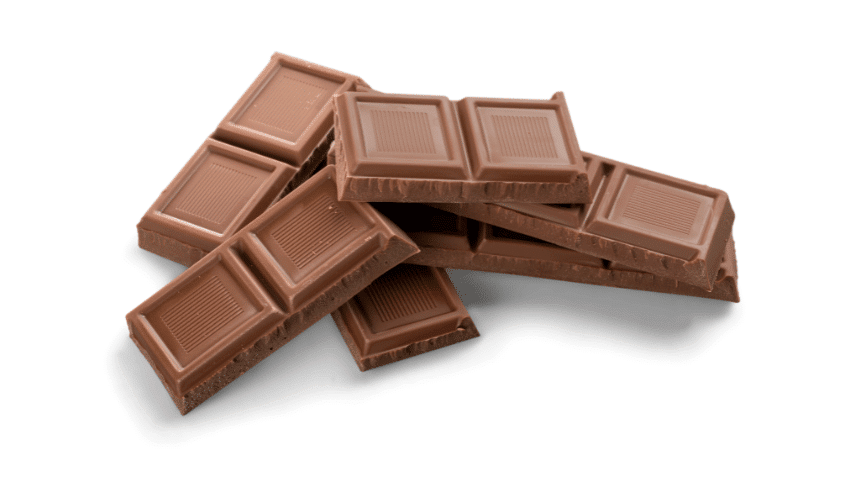
Most shipping problems with chocolate don’t start in the truck. They start on your production floor.
After years in the chocolate machinery business, I’ve watched too many brands blame the carrier when a customer opens a box of warped, bloomed bars. The cold packs were fine. The box was sturdy. But the chocolate was never stable to begin with.
Here’s the truth: shipping chocolate without melting is a process that begins long before a box leaves your facility. Proper tempering, complete cooling, the right product format, and smart packaging all work together. Cold packs and fast delivery are the last line of defense, not the whole plan.
This guide walks you through the full system, from production to the customer’s doorstep. You’ll learn why chocolate fails in transit, how to prepare it correctly, how to pack and ship it, and the common mistakes that cost brands money every summer.
Why Chocolate Melts During Shipping
Chocolate has a narrow comfort zone. Most milk chocolate starts to soften around 75°F and turns into a liquid mess near 90°F. Dark chocolate holds up a little better, but not by much.
That low melting point is just the starting issue. In commercial shipping, several things stack up against you:
- High ambient and warehouse temperatures during transit and sorting
- Poor or inconsistent tempering that leaves unstable cocoa butter crystals
- Insufficient cooling before the product gets packed
- Weak or under-insulated packaging that lets heat in
- Long transit times and weekend delays in hot sorting facilities
- Condensation when the package moves between cold and warm air
Here’s the part many brands miss. Shipping failures often begin in production, not in transit. Chocolate that wasn’t properly tempered or cooled is far more likely to lose its shape, bloom, or soften — even with good packaging.
Bottom line: if your product isn’t stable when it leaves the line, no amount of insulation will save it.
Start With Stable Chocolate Before Packing
This is the most important section in the whole guide. Get this right and everything downstream gets easier.
Proper tempering improves heat resistance
Tempering is what builds stable cocoa butter crystals — specifically the Form V crystals that give chocolate its snap, shine, and heat resistance. Well-tempered chocolate has a slightly higher tolerance for warm conditions and holds its shape longer.
Poorly tempered chocolate is the opposite. It softens faster, blooms easily, and deforms under pressure during transit. If your tempering is inconsistent batch to batch, your shipping results will be too.
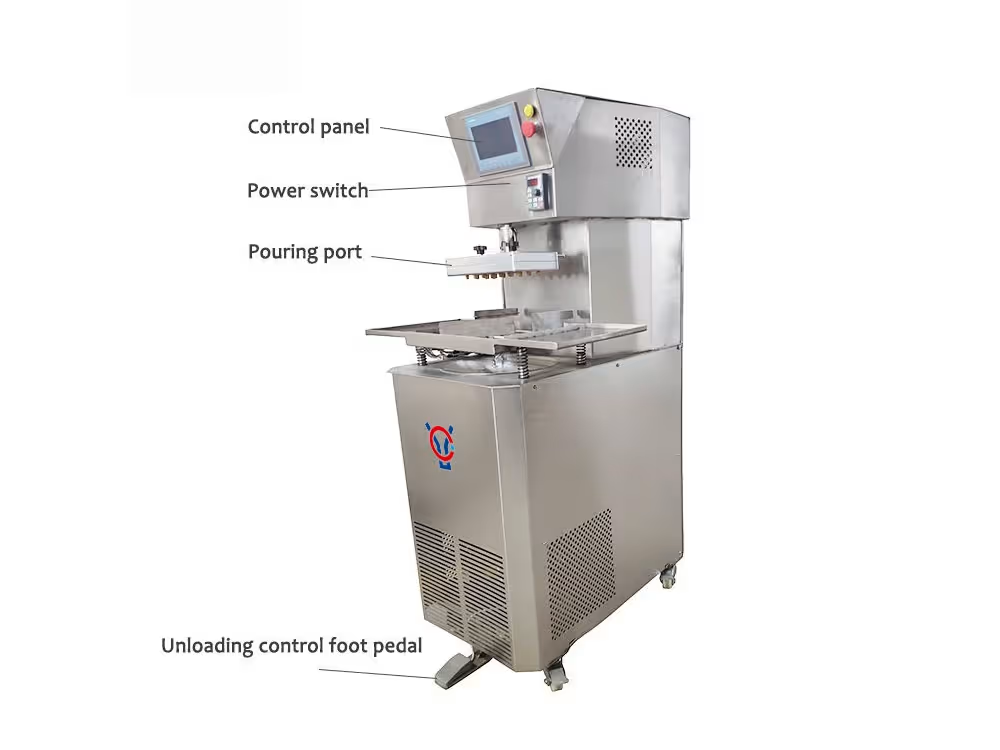
A reliable chocolate tempering machine maintains a consistent crystal structure, which directly affects how well each product survives the trip.
Cool the product completely before packaging
This is where I see the most expensive mistakes. Brands pull the product off the line and box it up while the core is still warm.
When you pack chocolate before its center temperature has fully stabilized, you trap residual heat and moisture inside the box. The result is warping, condensation, and surface defects that show up days later when the customer opens it.
A chocolate cooling tunnel brings products down to a stable temperature in a controlled, even way. That consistency matters more than speed. Rushed or uneven cooling sets you up for problems no cold pack can fix.
Choose product formats that travel better
Not every product ships equally well. Some formats are simply more durable.
- Solid bars and molded pieces hold up far better than soft fillings.
- Dark chocolate with higher cocoa solids content resists heat better than milk or white chocolate.
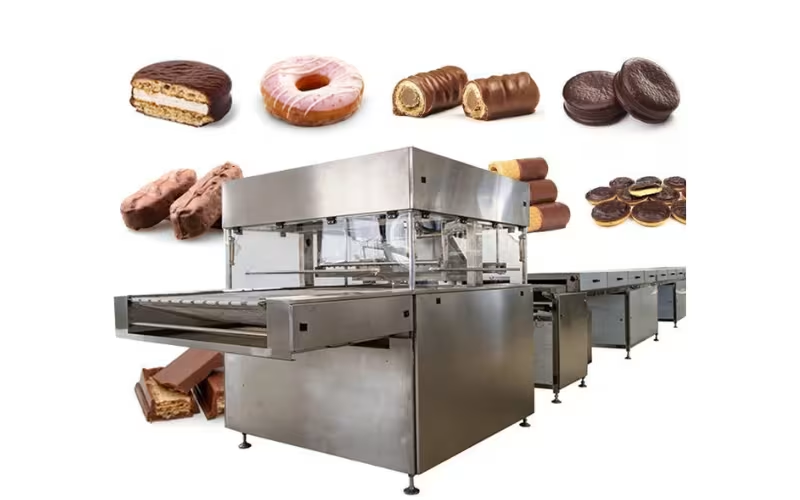
- Enrobed items with a solid coating travel well when the coating is applied evenly. A quality chocolate enrober machine helps here by producing a uniform, protective shell.
- Delicate fillings like ganache or cream centers struggle in heat. Avoid shipping these in hot months unless you’re using cold-chain methods.
In practice, this means planning your seasonal SKU mix around what can actually survive the route.
Choose Packaging That Protects Chocolate From Heat and Moisture
Once your product is stable and cool, packaging becomes your insulation layer. Think of it as a thermal system, not just a box.
Use insulated outer packaging
Start with a sturdy corrugated box. Then add a thermal barrier. Reflective box liners or insulated foam liners deflect outside heat. For long routes or extreme conditions, EPS foam containers provide the best temperature control.
Add moisture barriers to reduce condensation
Temperature swings cause condensation, which causes the white, streaky look on the surface. Seal each product in food-grade wrapping or sealed bags before it goes into the insulated layer. This keeps surface moisture off the chocolate.
Prevent product movement during transit
Empty space is your enemy. When cartons shift around, they can slam into cold packs or each other. Fill voids with packing material so everything stays put.
Separate the chocolate from the coolants
Never let a cold pack sit directly against the chocolate. Add a buffer layer between them. Direct contact causes thermal shock and can trigger sugar bloom from the extreme cold.
How to Use Coolants Correctly
Let me be clear up front: coolants help, but they can’t rescue poorly tempered or under-cooled chocolate. They buy you time, nothing more.
With that said, here’s how to use them well:
- Gel packs vs. dry ice. Gel packs are the workhorse for most chocolate shipments. Freeze them at least 24 hours before shipping. Dry ice gets very cold and can cause its own problems with bloom and handling, so reserve it for specialized cold-chain needs.
- Know when liners are enough. For short routes in mild weather, insulated liners alone may do the job without any coolants.
- Avoid direct contact. Keep coolants away from the product cartons with a barrier layer, as covered above.
- Match the coolant to the job. Scale the number and weight of gel packs to your box size, route length, and transit time. A two-day summer route needs more cooling than an overnight trip in spring.
Treat coolants as part of a transit strategy, not a household packing trick.
Plan Shipping Around Weather and Transit Time
Timing can make or break a shipment. Even perfect packaging fails if the box sits in a hot warehouse for three days.
- Ship early in the week. Send packages Monday or Tuesday so they don’t sit in a sorting facility over the weekend.
- Use faster service in warm months. Overnight or two-day delivery cuts the time your chocolate spends exposed to heat.
- Watch both ends of the route. Check temperatures at origin and destination during the shipping window.
- Coordinate delivery windows. Work with distributors and customers so shipments aren’t left sitting in uncontrolled conditions.
- Skip the holiday surges. Major shipping rushes mean delays, and delays mean melted product.
Best Practices for Shipping Chocolate in Summer
Summer is where brands either tighten up their process or lose money. A few adjustments go a long way.
- Increase insulation levels for hot-weather routes — more is better here.
- Shorten delivery windows and default to expedited service.
- Reduce shipment size when needed so coolants can keep up.
- Pull your most heat-sensitive SKUs during peak heat waves.
- Consider regional warehousing or local fulfillment if your volume justifies it. Shipping from a closer hub dramatically reduces transit time.
Common Mistakes That Cause Chocolate to Melt in Transit
I’ve seen these same errors sink shipments year after year:
- Packing chocolate before it has fully cooled. The single most common production-side mistake.
- Using too little insulation for the season and route.
- Placing cold packs directly against the product causes bloom.
- Shipping without checking the destination weather.
- Choosing the wrong product format for hot-weather delivery.
- Relying on packaging alone instead of fixing product stability first.
Notice how many of these trace back to production. That’s not a coincidence.
How Commercial Chocolate Producers Reduce Shipping Risk
The brands that ship reliably don’t just buy better boxes. They build stability into the entire process.
Here’s what that looks like in practice:
- Precise tempering for a heat-resistant crystal structure
- Controlled cooling before anything gets packed
- Consistent molding or enrobing for uniform, durable products
- Protective packaging and faster post-production handling
This is where your equipment directly shapes your shipping results. A reliable chocolate tempering machine keeps every batch stable. A chocolate cooling tunnel ensures products are fully and evenly cooled before packing. A chocolate enrober machine produces a consistent protective shell. And the right chocolate packaging machinery seals products cleanly to resist moisture.
For growing brands, an integrated chocolate production line ties all of this together. The payoff is real: less spoilage, more consistent product, and warm-weather shipping that’s far easier to manage.
FAQs
What temperature is too hot for shipping chocolate?
Anything above 80°F during transit puts chocolate at serious risk. Softening starts around 75°F, so aim to keep your product below that whenever possible, especially over multi-day routes.
Should chocolate be fully cooled before packaging?
Yes, always. Packing warm chocolate traps heat and moisture, which leads to warping, condensation, and bloom. Let products reach a stable core temperature — ideally through a cooling tunnel — before boxing.
How do chocolate businesses ship products in summer?
They rely on thicker insulation, expedited shipping, gel packs sized for the route, and tighter delivery coordination. Many also pull their most fragile SKUs during heat waves and ship from regional hubs to cut transit time.
Are gel packs or dry ice better for shipping commercial chocolate?
Gel packs are the safer default for most chocolate. They’re easy to handle and won’t shock the product. Dry ice runs extremely cold and can cause bloom or handling issues, so save it for specialized cold-chain situations.
How can I prevent chocolate bloom during shipping?
Start with proper tempering and complete cooling. Then seal products against moisture, keep coolants from directly touching the chocolate, and avoid large temperature swings in transit.
What type of chocolate is easiest to ship in hot weather?
Solid dark chocolate bars with high cocoa solids. They have a higher melting point and a durable structure. Soft fillings and white chocolate are the hardest to ship safely in the heat.
Conclusion
Shipping chocolate without melting takes more than insulated boxes and cold packs. It’s a full system — stable product preparation, proper tempering, complete cooling, protective packaging, and smart logistics planning.
The brands that get this right understand one thing: melting risk is mostly solved on the production floor, not in the shipping department. When your chocolate is tempered, cooled, and formed consistently, everything downstream becomes easier and more reliable.
If summer shipping has been costing you product, look upstream first. Explore production equipment — tempering machines, cooling tunnels, enrobers, and complete production lines — that help you ship stable, durable chocolate your customers receive exactly as you made it.