
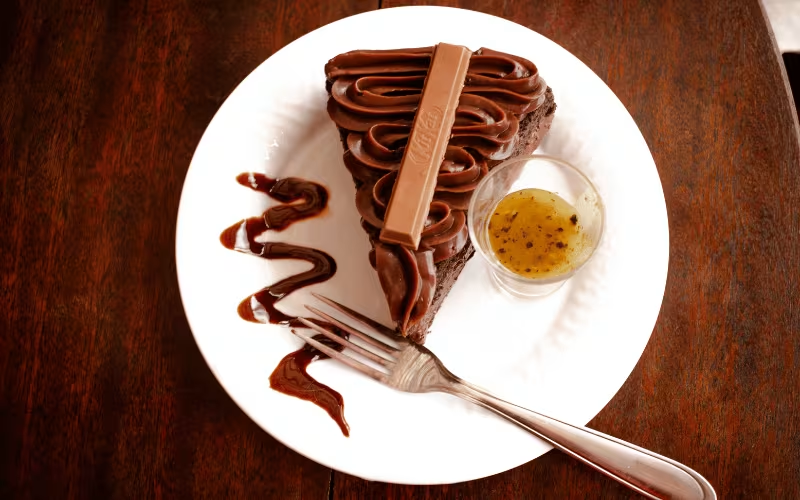
It is break time. You have just opened a classic red wrapper and are ready to snap off a piece of your favorite treat. For millions of people around the world, one chocolate bar stands out for that satisfying snap: the Kit Kat. The perfect combination of light, crispy wafers and smooth, sweet milk chocolate makes the Kit Kat an iconic candy choice, whether you are relaxing at home or sharing with friends.
As a food enthusiast who loves understanding how our favorite treats come to life, I look at candy bars with deep curiosity. Breaking apart a Kit Kat reveals a highly structured masterpiece of food engineering. I have spent time exploring the manufacturing techniques used to mass-produce these confections. Let us look at the individual elements of a Kit Kat bar as a fascinating example of candy science. Each layer requires exact precision to create that signature crunch.
Crispy Wafer Layers
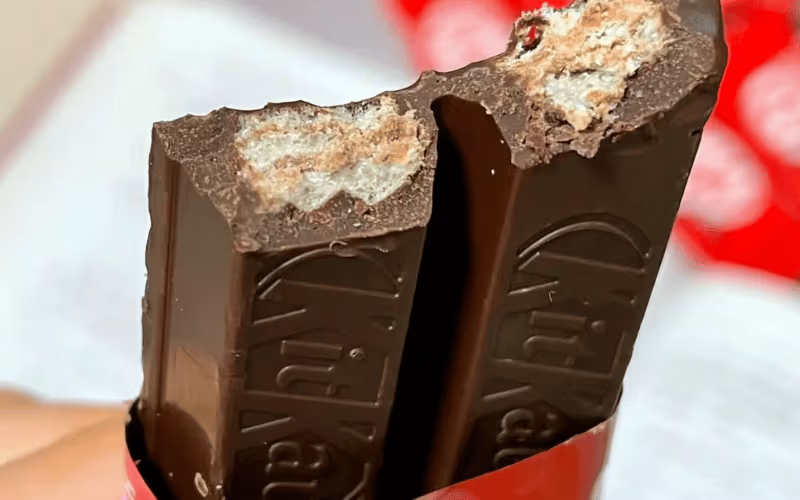
Let us start with the foundation of the snap: the crispy wafer. The wafer in a Kit Kat begins as a simple liquid batter made primarily from wheat flour and water. This mixture is poured onto large, heated flat plates that operate much like giant commercial waffle irons. The plates press together, baking the batter at extremely high temperatures for just a few minutes. This rapid baking process evaporates the moisture almost instantly, creating a remarkably light, airy, and crisp sheet. These large sheets are quickly ejected from the ovens and allowed to cool completely so they retain their delicate, crunchy texture.
Once the massive wafer sheets cool down, they are ready for the layering process. A single Kit Kat finger typically contains three layers of wafer, but they do not stay together on their own. To build the familiar structure, machines spread a very thin layer of chocolate paste over the baked sheets. Workers and automated systems stack these coated sheets one on top of another. This thin paste acts as an edible glue, bonding the crispy layers together into a single, solid block. Finally, specialized cutting machines slice these large stacked blocks into the long, narrow strips that form the distinct shape of the candy fingers we all recognize.
Creamy Chocolate Filling
Between those baked wafer layers sits a surprisingly complex element: the creamy chocolate filling. You might assume this paste is just standard melted chocolate, but it actually features a brilliant manufacturing secret. Candy factories operate with incredible efficiency, and imperfect bars are never wasted. When Kit Kat bars break during production or fail to meet strict visual quality standards, they are collected and crushed up. These recycled, imperfect Kit Kats are ground down into a fine paste and reintroduced into the production line. This smart process reduces food waste significantly while maintaining the exact flavor profile the brand is known for.
This recycled mixture undergoes a thorough blending process to achieve a perfectly smooth, creamy texture. The engineers add a small amount of extra cocoa liquor and sugar to ensure the paste spreads easily across the fragile wafer sheets. The role of this filling goes far beyond acting as an edible adhesive. It significantly enhances the bar’s overall flavor and texture. Because the paste contains crushed wafers alongside the chocolate, it subtly reinforces the toasted-wheat flavor in every bite. The creamy density of the filling provides a rich contrast to the airy crunch of the baked wafers.
Chocolate Coating
To finish the candy bar, the layered wafer fingers need their signature glossy chocolate coating. Creating this perfect outer layer relies on a critical scientific process called tempering. Raw chocolate contains cocoa butter, which can crystallize in several forms as it cools. By carefully raising, lowering, and then slightly raising the temperature of the liquid chocolate again, engineers force the cocoa butter to form the most stable crystal structure. Properly tempered chocolate looks incredibly shiny, feels smooth to the touch, and delivers that famous, satisfying snap when you break the candy bar apart with your hands.
The actual application of milk chocolate occurs through an automated process known as enrobing. The stacked, uncoated wafer fingers travel along an open wire mesh conveyor belt. They pass directly through a continuous curtain of tempered liquid chocolate, which flows down and completely covers the tops and sides. At the same time, a spinning roller coats the bottom of the bars. The conveyor gently vibrates to shake off any excess chocolate, ensuring the coating thickness remains perfectly uniform. Finally, the finished bars travel through a long cooling tunnel that quickly sets the chocolate before they are wrapped.
The Kit Kat Bar
When done right, the final product is a perfectly balanced Kit Kat bar, ready for your next candy break. The careful assembly of airy baked wafers, creamy recycled chocolate filling, and a perfectly tempered outer coating creates a highly engineered treat. All these individual components come together seamlessly to deliver a specific sensory experience that perfectly balances sweetness, smooth creaminess, and a loud, satisfying crunch.
With millions of bars manufactured around the world every single day, achieving this exact result requires a massive amount of scientific understanding and mechanical precision. From the specific baking temperatures of the wafer plates to the exact crystallization of the enrobing chocolate, every single detail matters. The next time you snap off a piece of this classic candy, you can appreciate the precise food science and complex engineering that make that simple, crunchy moment a reality.